Identify which clock applies
The adopted CAB document ties the builder front-yard window to CO or TCO and the rear-yard window to closing. We confirm the property record and current rule rather than assuming the same starting date for every home.


The Completion Calendar Starts Before Installation Day
Sterling Ranch's CAB publishes separate landscape-completion windows for builder front yards and rear yards, plus a winter deferral. A planting estimate therefore begins by identifying which clock applies, then working backward through design review, soil preparation, two inspections, installation, and establishment.
Send the property address, closing or certificate timing if relevant, and what is installed today.
A governed calendar, not manufactured urgency
In initiatives adopted 26 August 2020, the CAB states that a builder front yard is to be completed within 30 days of CO or TCO and a rear yard within 120 days of closing. The running window is also deferred from 1 November through 30 April, with time resuming 1 May. We attribute those figures to the document and confirm the current version and the event that applies to the property.
The adopted CAB document ties the builder front-yard window to CO or TCO and the rear-yard window to closing. We confirm the property record and current rule rather than assuming the same starting date for every home.
The published deferral runs from 1 November through 30 April, with the remaining window resuming 1 May. That pause affects compliance timing; it does not make frozen ground a suitable planting condition.
Design review, current plant eligibility, material availability, soil preparation, the first inspection, installation, and the establishment inspection all occupy the calendar before a yard is complete.
Coverage is measured across the plan
Separate minimums in the 2020 CAB document call for 80% live coverage in the front yard and 30% live plant material in the rear yard, and the document says a rear yard will not be approved as hardscape only. Those percentages are design checks, not a claim that every property has the same existing condition.
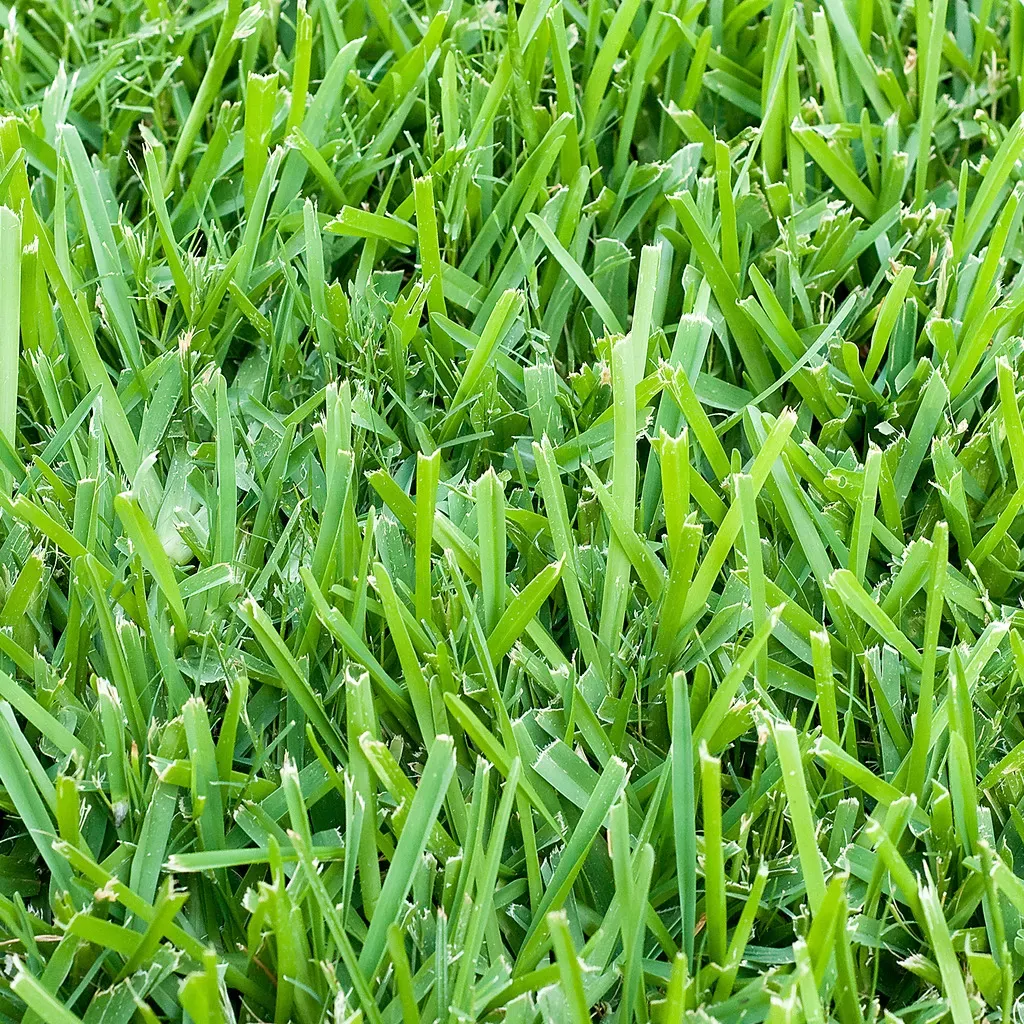
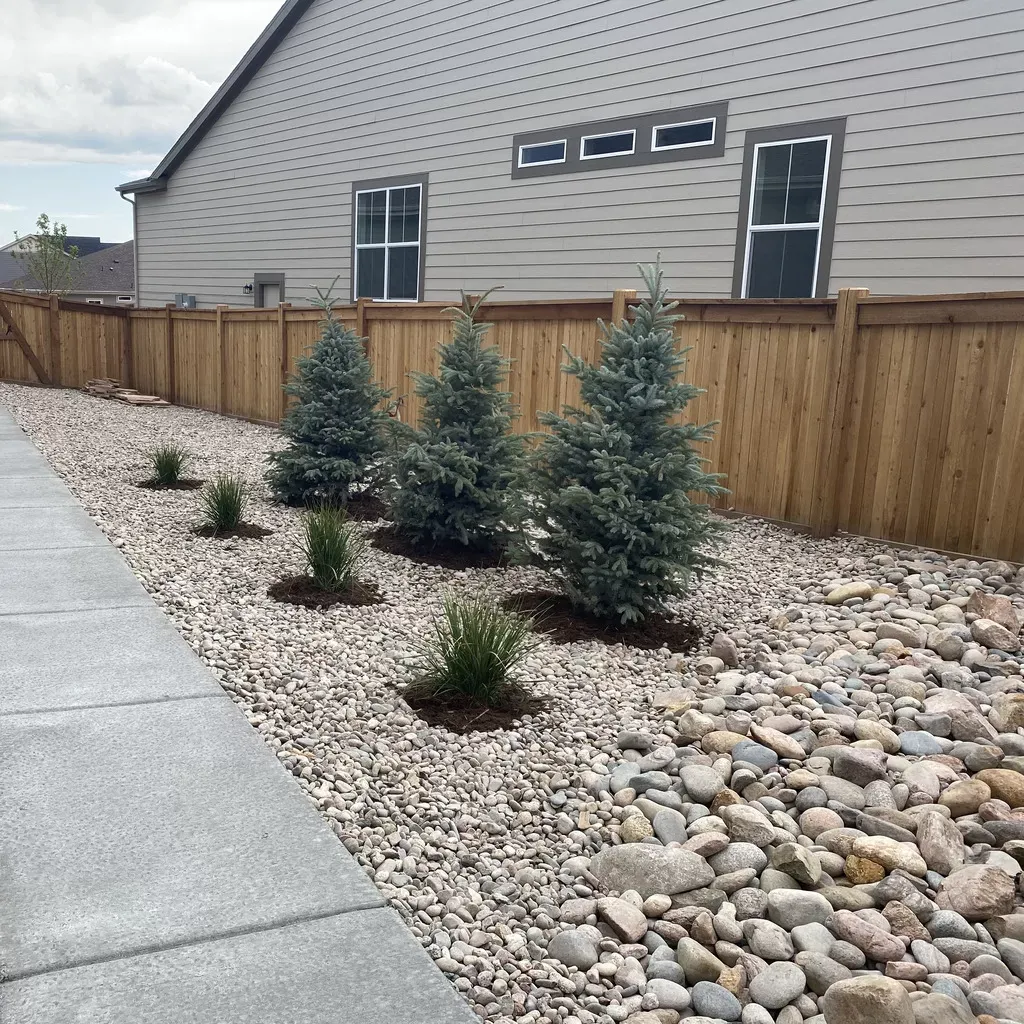
Lawn can contribute, but it does not have to carry the entire composition. Trees, shrubs, grasses, perennials, and other eligible living material can build structure and coverage while the layout still respects circulation, mature size, exposure, and the property's water framework. Because those CAB rules can be amended, current applicability is verified for the address.
Installed size is only the first measurement
For the front yard, the 2020 CAB document provides alternative combinations involving deciduous, evergreen, ornamental, and tree-lawn trees. It states a 1½-inch minimum caliper for the listed deciduous categories and a 6- to 8-foot installation height for the evergreen category. For the rear yard it calls for one deciduous tree at the stated minimum caliper and one evergreen in that height range.
That specification tells us what has to arrive; the plan still has to show where each tree can live at maturity. Corner-lot requirements, a tree lawn, utilities, sightlines, open-space adjacency, village, filing, builder product, and other documented lot conditions are checked before selection. We do not state that one species is approved on every property or promise survival.
The standard underneath the finished bed
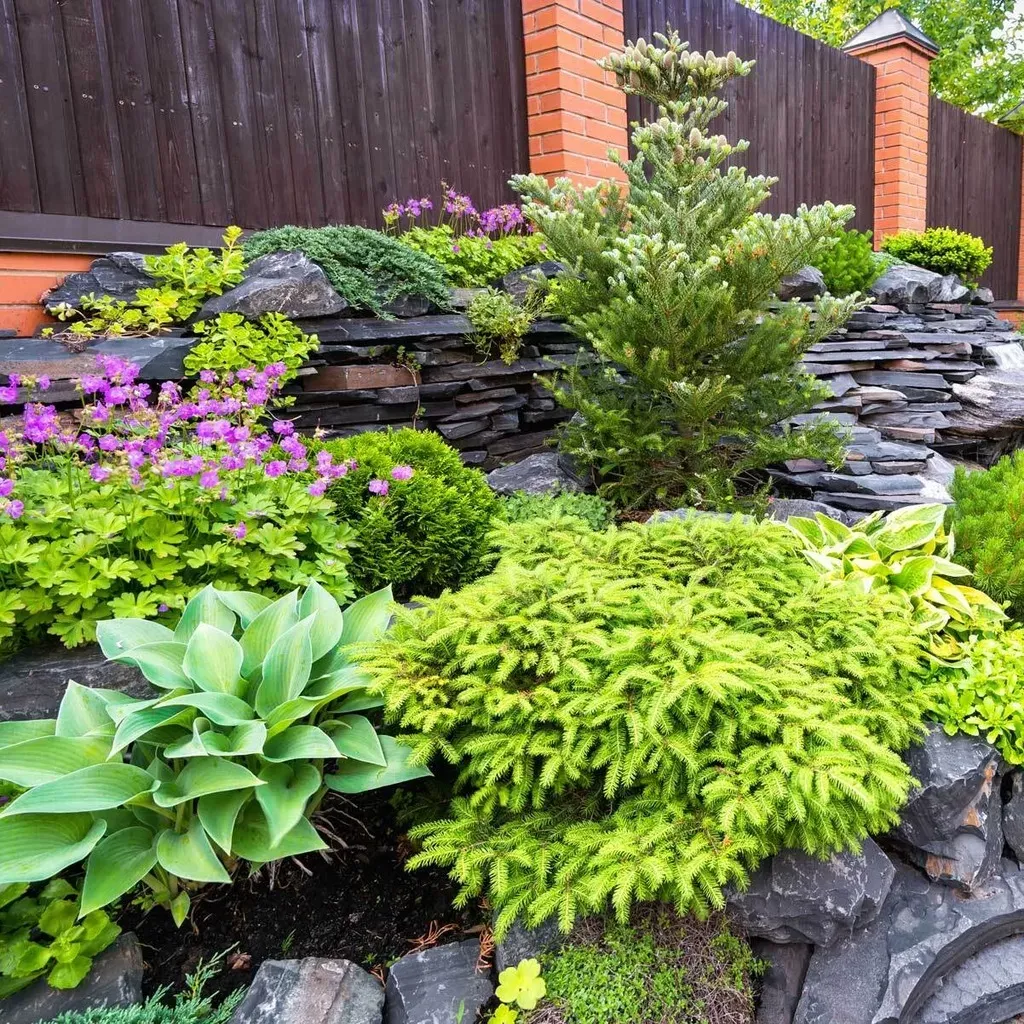
For soil preparation, the CAB initiatives adopted 26 August 2020 specify four cubic yards of ground aged manure and organic compost per 1,000 square feet, tilled to at least six inches, and call for the graded area to be free of rock, debris, and clods larger than three-quarters of an inch. They also publish mulch quantities: one cubic yard per 80 square feet or three inches of depth, with a two-inch minimum for inorganic mulch.
Those are CAB standards, not a proprietary recipe we claim as our own. The property still gets evaluated for access, grade, drainage, existing compaction, and the current document. Work remains exposed until the required pre-planting inspection can see the preparation.
Do not cover the evidence too soon
Before planting
The 2024 packet calls for an inspection before plants and sod cover the work, verifying the specified amendment and tilling. We sequence preparation so the root-zone work can actually be seen.
During establishment
A second inspection occurs during the CAB's 45-day establishment period and checks conformance along with a working irrigation system. Planting and irrigation are coordinated without turning this page into an irrigation service page.
The packet and initiatives can change, and the correct notice procedure, current plant list, property-specific conditions, and inspection expectations are confirmed before the schedule is locked. No fee is quoted here, and the company's CAB registration or listing status is not asserted.
Published CAB Water Demand Management Initiatives adopted 26 August 2020 set different clocks: a builder front yard within 30 days of CO or TCO, and a rear yard within 120 days of closing, with a winter deferral from 1 November through 30 April and the remaining time resuming 1 May. Those are document terms, not our deadlines. Which clock and current rule apply to a particular property are confirmed from the current CAB materials before a schedule is proposed.
The adopted document describes live coverage through living plant material such as grass, shrubs, perennials, annuals, and vegetables. It sets separate front- and rear-yard minimums and says rear yards will not be approved as hardscape only. We measure the plan as a whole and confirm the current CAB interpretation for the address; synthetic surfaces and decorative rock are not presented as living material.
No universal claim is appropriate. Front- and rear-yard tree categories and installation-size minimums appear in the 2020 CAB document, while documented conditions such as corner lots, open-space adjacency, village, filing, builder product, and Icon or Enhanced Lot status can change what a plan needs. Current requirements and available planting space are confirmed before selecting or ordering a tree.
The CAB document directs planting to its Approved Plant List or to material the Design Review Committee approves. We do not republish that list as our own or promise that a plant is eligible everywhere. The current list, the property conditions, mature size, exposure, water need, and irrigation reach are checked for the submittal.
The 2024 Landscape Submittal Packet describes a pre-planting inspection for soil amendment and tilling, followed by an inspection during the 45-day establishment period for conformance and a functioning irrigation system. Notice, timing, and current procedures are verified with the CAB. We do not quote fees or promise either inspection outcome.
No. Establishment delivery changes with sod versus woody plants, weather, exposure, soil response, irrigation method, and progress. The CAB defines an establishment period inside its water framework, but the actual controller plan still has to follow the current rules and the installed zones for that property. This page does not promise a single universal runtime.
An on-site estimate can identify the current completion window, measure living coverage, confirm tree and plant requirements, and sequence preparation, review, inspection, installation, and establishment.