Sun and exposure
Full sun, reflected heat, afternoon shade, and wind influence sod and planting choices. We plan from the actual exposure instead of assuming every part of the yard behaves the same.


Coordinated Softscape Installation
Sod, trees, shrubs, perennials, mulch, and rock are the living framework of a finished yard. We plan them together around soil, grade, sun, mature size, irrigation, and the patios, walks, walls, and fences already shaping the space.
Tell us about the site, the look you want, and how you expect to use and maintain the finished yard.
One coordinated living system
A lawn can create play space and a visual foreground. Trees establish scale, shade, screening, or a focal point. Shrubs, grasses, and perennials connect those larger elements to the house and hardscape. Treating them as one plan helps the landscape look complete now while leaving room for growth later.
Full sun, reflected heat, afternoon shade, and wind influence sod and planting choices. We plan from the actual exposure instead of assuming every part of the yard behaves the same.
Living material needs a workable root zone. Existing compaction, grade, drainage, and soil condition affect preparation, planting depth, amendment, and establishment.
Trees and shrubs should be placed for the space they will occupy, not just their nursery size. Buildings, fences, walks, views, and neighboring plants all shape the layout.
A play lawn, a quiet planting bed, and a screening tree each have different roles. The plan aligns those uses with irrigation access and the maintenance expectations for the property.
The ground layer
A finished lawn reflects the grade and soil beneath it. Preparation includes clearing the surface, correcting low spots, improving the root zone where the site needs it, and creating clean elevations at concrete, pavers, edging, and beds. Tight placement matters, but it cannot compensate for poor drainage or a heavily compacted base.
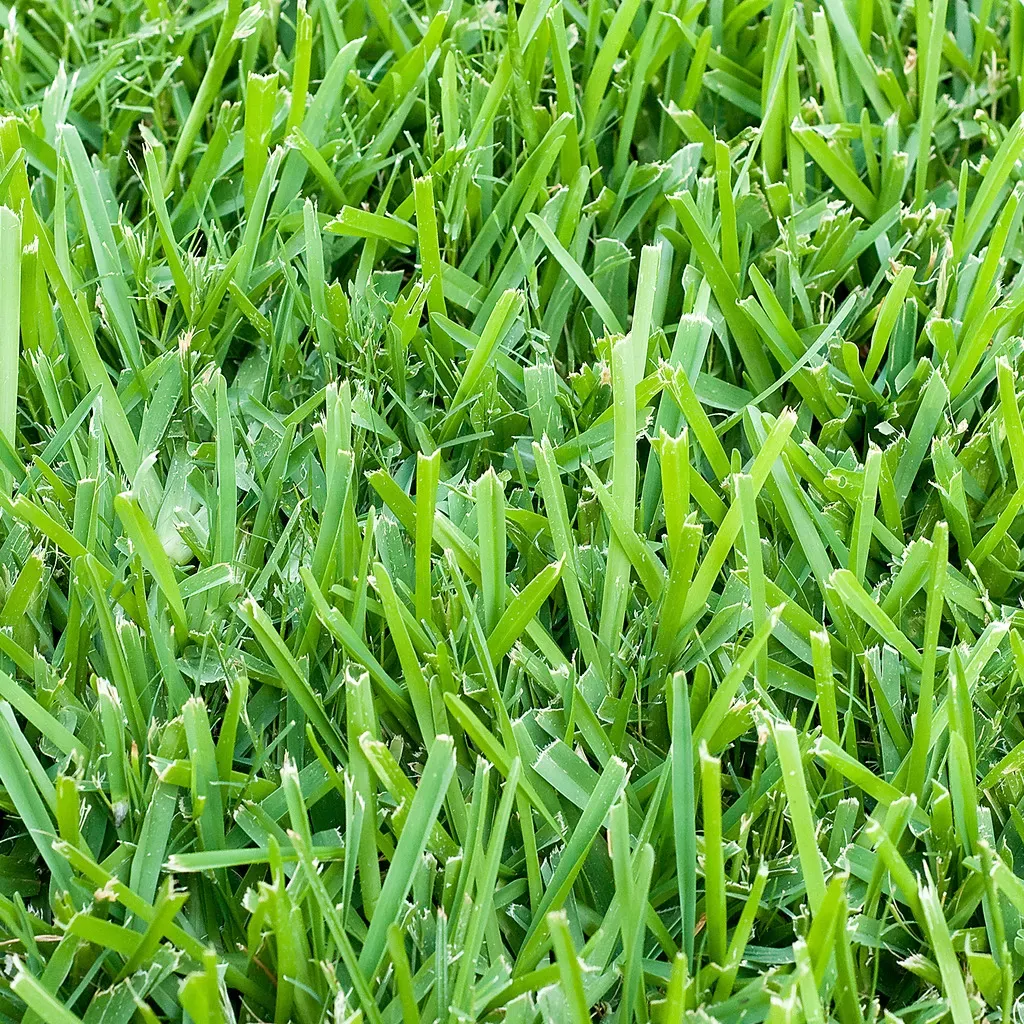
Our sod options include Tahoma 31, Colorado Blue, and RTF when the project and current supply align. Tahoma 31 is selected for Colorado drought and cold tolerance, but no cultivar is universal: exposure, expected use, irrigation, soil, maintenance preferences, and current supply still guide selection.
After installation, the immediate priority is consistent soil contact and establishment watering. As roots begin to take hold, frequency and runtime should be adjusted instead of leaving the initial schedule in place indefinitely.
The middle and canopy layers
The installation day is only the beginning. Tree and plant locations should account for mature scale, light, drainage, exposure, irrigation, and the space needed around structures and circulation.
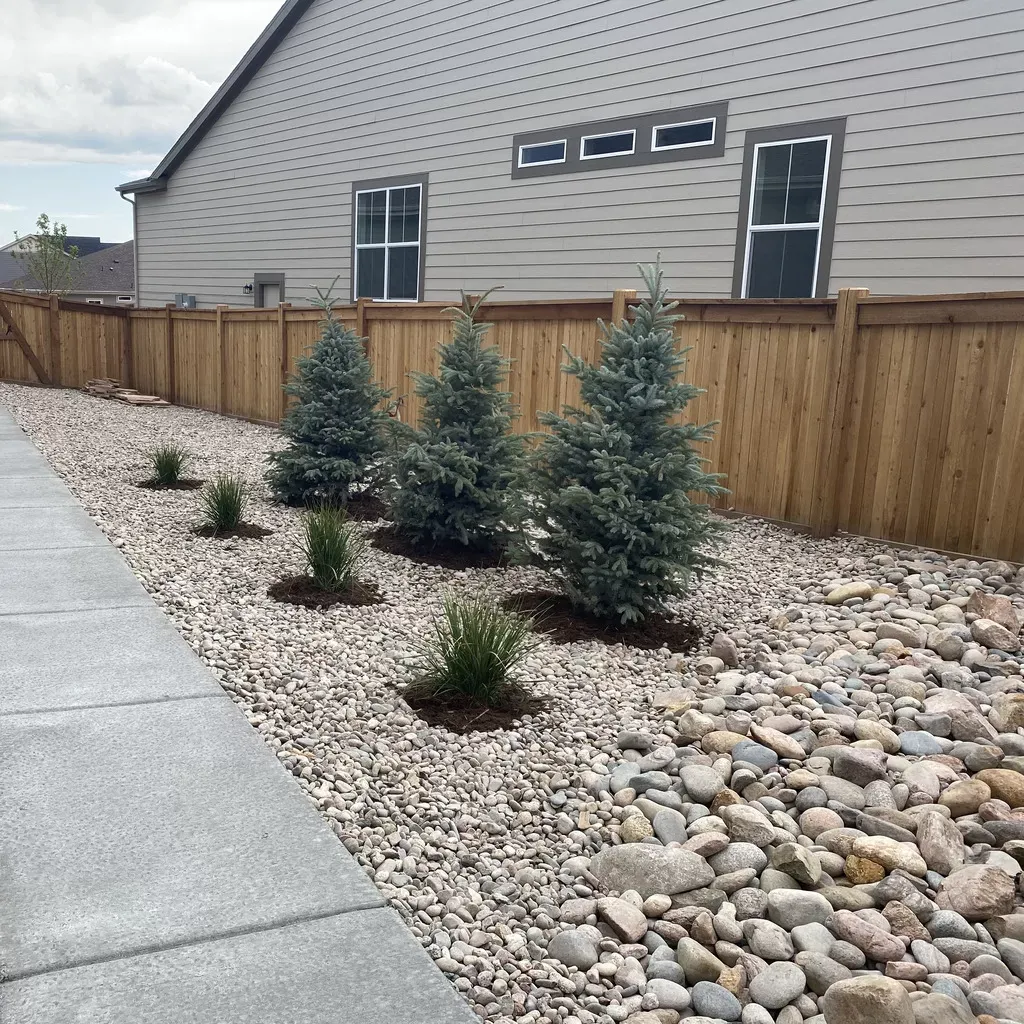
Spruce trees are one useful Colorado landscape option, and both evergreen and deciduous trees can serve the broader plan. We do not rely on a fixed availability list. The chosen tree must suit its exposure, drainage, mature footprint, and purpose, whether that is structure, screening, shade, or year-round form.
Tree placement accounts for the surrounding fence, walk, bed, and the space each tree will occupy as it grows.
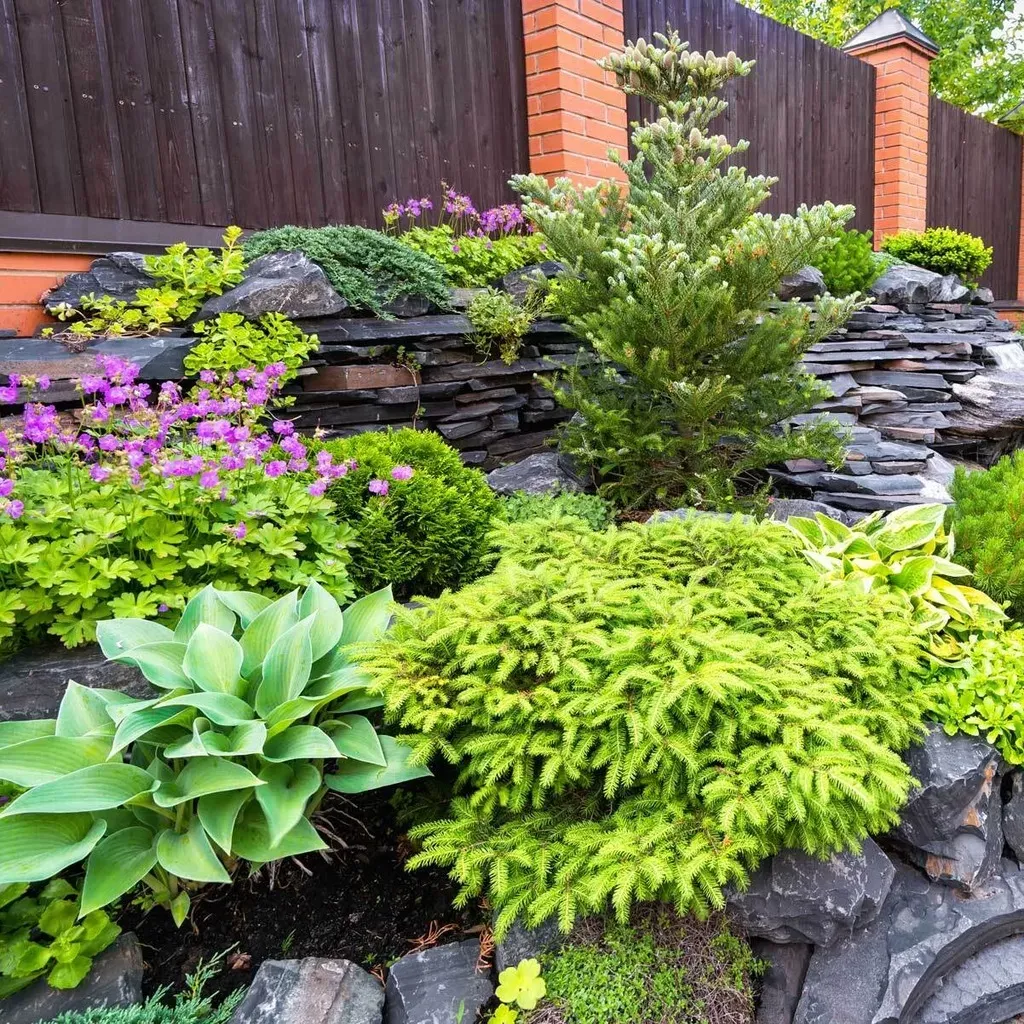
Shrubs establish the larger shapes; ornamental grasses contribute movement and texture; perennials add seasonal color. Bed design also considers bloom timing, mature spread, maintenance access, and whether mulch or decorative rock is the better surface for that location.
Layered heights, foliage textures, flowers, and stone give a planting bed structure beyond its first season.
Sequencing protects the work already completed and gives each living layer the root zone, elevation, and water delivery it needs.
Set lawn edges, bed shapes, tree locations, hardscape elevations, drainage routes, and irrigation zones before soil preparation begins.
Remove debris, correct obvious compaction and low spots, establish positive drainage, and prepare a consistent root zone for the selected sod and plants.
Place the largest elements first, checking mature scale, sightlines, access, structures, and the relationship between trees, shrubs, grasses, and perennials.
Lay sod tightly on the prepared grade, establish clean edges, and complete bed surfaces with mulch or decorative rock where the plan calls for them.
Test irrigation, water the root zones thoroughly, and give the owner an initial care plan that can be reduced and adjusted as the lawn and planting establish.
Reflected heat and exposure can increase stress. Plant placement and irrigation zoning should acknowledge the hottest parts of the yard.
Evergreens and new trees need locations that fit their tolerance and leave room for winter sun, wind, snow, and changing soil moisture.
A low pocket, compacted new-build lot, or fast-draining slope can require a different preparation and watering response.
New material needs close attention, but the goal is to transition from establishment watering to a sustainable seasonal routine.
Sod and planting should meet the rest of the yard cleanly. Bed elevations must relate to paver patios and walkways; roots and water need clearance around retaining walls; gates and mowing access matter beside new fencing. Most importantly, the planting plan and irrigation zones should be developed together.
Monitor soil moisture rather than relying only on the controller display. Keep mulch away from trunks and crowns, maintain bed edges, and watch for settlement around newly prepared areas. As plants grow, adjust drip placement and inspect whether lawn heads are blocked. The first season is about establishment; later care shifts toward seasonal irrigation changes, mowing, pruning appropriate to the plant, and replacing mulch or refreshing rock edges where needed.
If you are planning more than one part of the yard, grading, hardscape, living material, and water can be scoped in one construction sequence.
They perform better as one softscape plan. Tree shade and roots affect lawn and beds, plant spacing affects irrigation, and sod edges affect mowing and drainage. Coordinating them also produces a more intentional transition to patios, walks, walls, and fences.
The area is graded for drainage, cleared of debris, and prepared so the root zone is reasonably consistent. Compost integration and relief of compacted soil may be part of that preparation. The exact depth and amendment approach should follow the existing site rather than a universal recipe.
Yes. Tahoma 31 is one option we install, along with Colorado Blue and RTF when the project and current supply align. Tahoma 31 is selected for drought and cold tolerance, but the right sod still depends on sun, use, soil, irrigation, and maintenance goals.
We consider mature height and spread, sun, wind, drainage, views, screening goals, overhead and underground constraints, buildings, fences, walks, and nearby planting. A location that fits a young tree may not fit the same tree later.
New sod and newly planted trees, shrubs, and perennials need close monitoring while roots establish, but they should not all receive the same delivery method or runtime. The initial schedule changes with weather, soil response, plant type, and progress.
Yes. We look at bed depth, drainage, irrigation access, mature plant size, reflected heat, and maintenance access before setting the palette. The goal is to soften the built work without sending water or roots where they create a new problem.
We will review the soil, grade, exposure, irrigation, and finished layout, then build a coordinated sod and planting scope for the property.