Spray zones for even coverage
Open lawn areas need head placement and spacing that reach the intended grass without leaving dry gaps. Separate zones help account for layout and exposure instead of forcing every area onto one runtime.


Sprinkler and Drip Irrigation Installation
A healthy landscape needs water delivered to the right place, on a schedule that can change with the season. We design and install sprinkler and drip zones around the lawn, trees, shrubs, beds, grade, and hardscape already in the plan.
Tell us what is being planted, what is already installed, and what the current watering setup is doing.
One landscape, different water needs
Colorado's dry climate makes irrigation important, but more water is not the same as better irrigation. Lawn, trees, shrubs, and perennials use water at different depths and rates. A useful system separates those needs, reaches the intended area, and leaves the owner with controls that can be adjusted through the growing season.
Open lawn areas need head placement and spacing that reach the intended grass without leaving dry gaps. Separate zones help account for layout and exposure instead of forcing every area onto one runtime.
Trees and shrubs use water differently than turf. Drip tubing and emitters can place water close to the root area with less spray on leaves, walls, walks, and surrounding rock.
Perennials, grasses, and shrubs can be grouped by similar needs. A planned drip layout also leaves a practical way to adjust emitters when plants are added or their root zones expand.
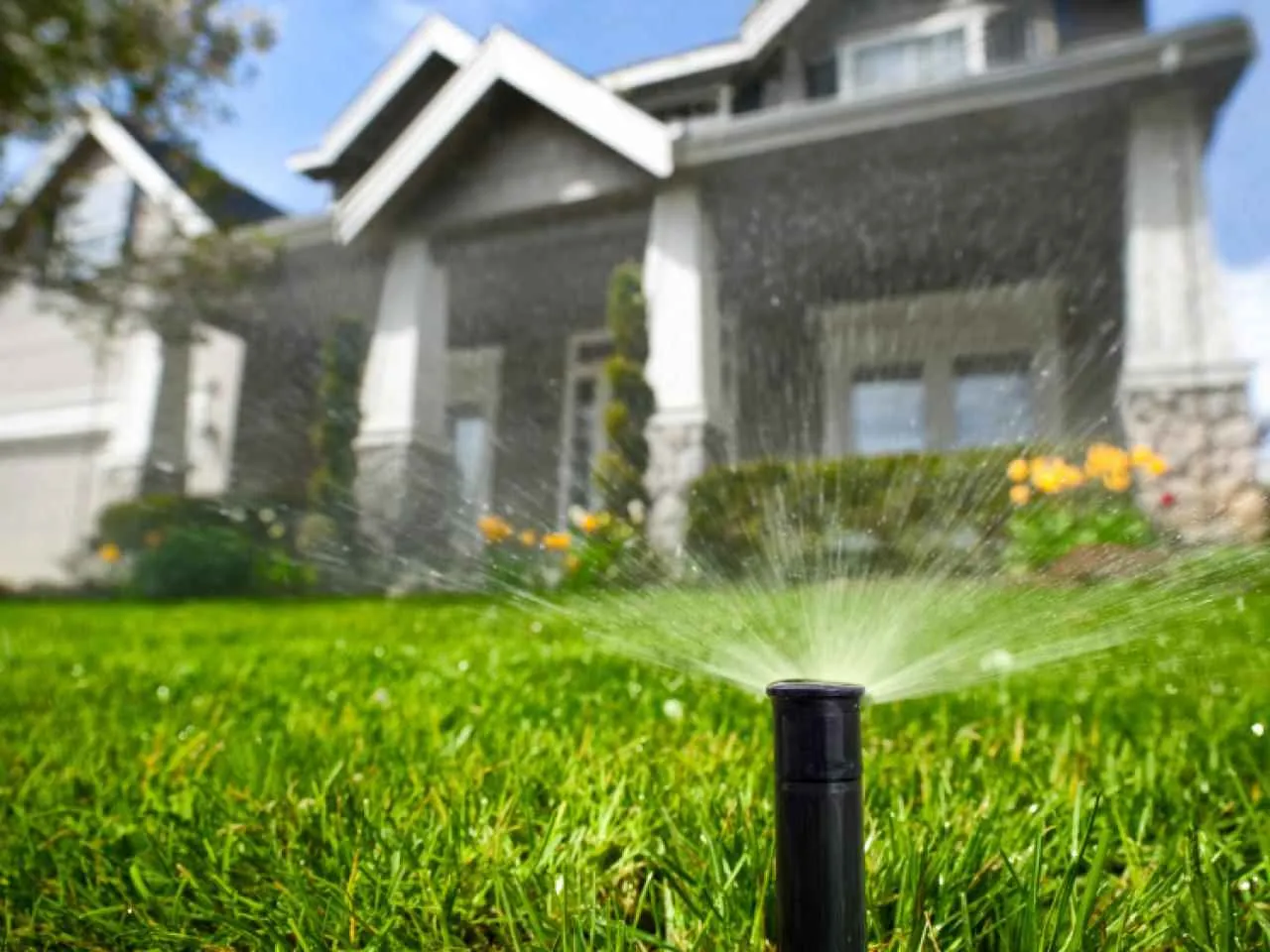
An irrigation plan should follow the landscape plan. Lawn geometry determines practical head spacing. Trees and shrubs need root-zone delivery. Slopes change how quickly water can run off, while patios, walkways, fences, and retaining walls create hard edges that spray should respect.
Grouping similar areas gives the controller useful control. A bed that needs a slower drip cycle can run independently from a sunny lawn zone, and a shaded lawn does not have to receive the same runtime as an exposed one.
That coordination is especially important when irrigation is installed with new sod, trees, and planting.
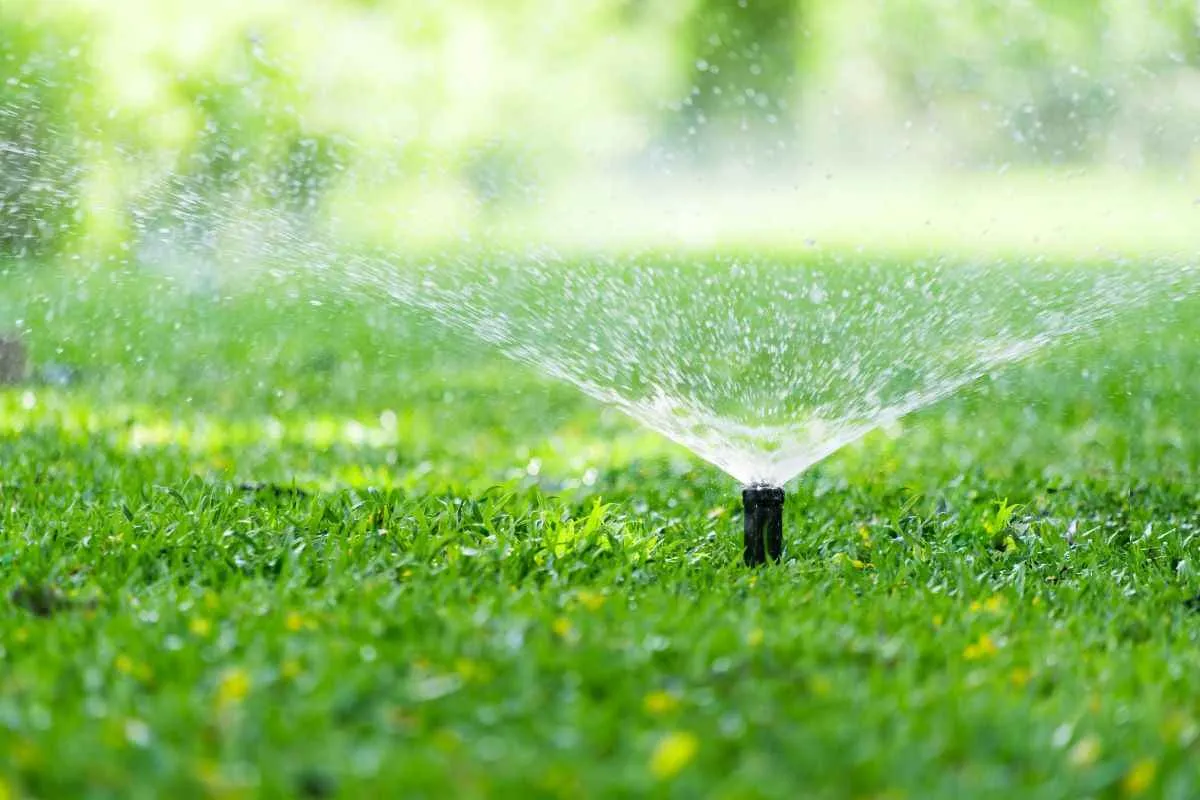
Spray heads need enough overlap to avoid dry gaps, but their arcs should also be adjusted at walks, patios, walls, and bed edges. Pressure, spacing, grade, and plant growth can all change the pattern after installation.
A visible spray pattern helps explain why spacing and adjustment matter at lawn edges.
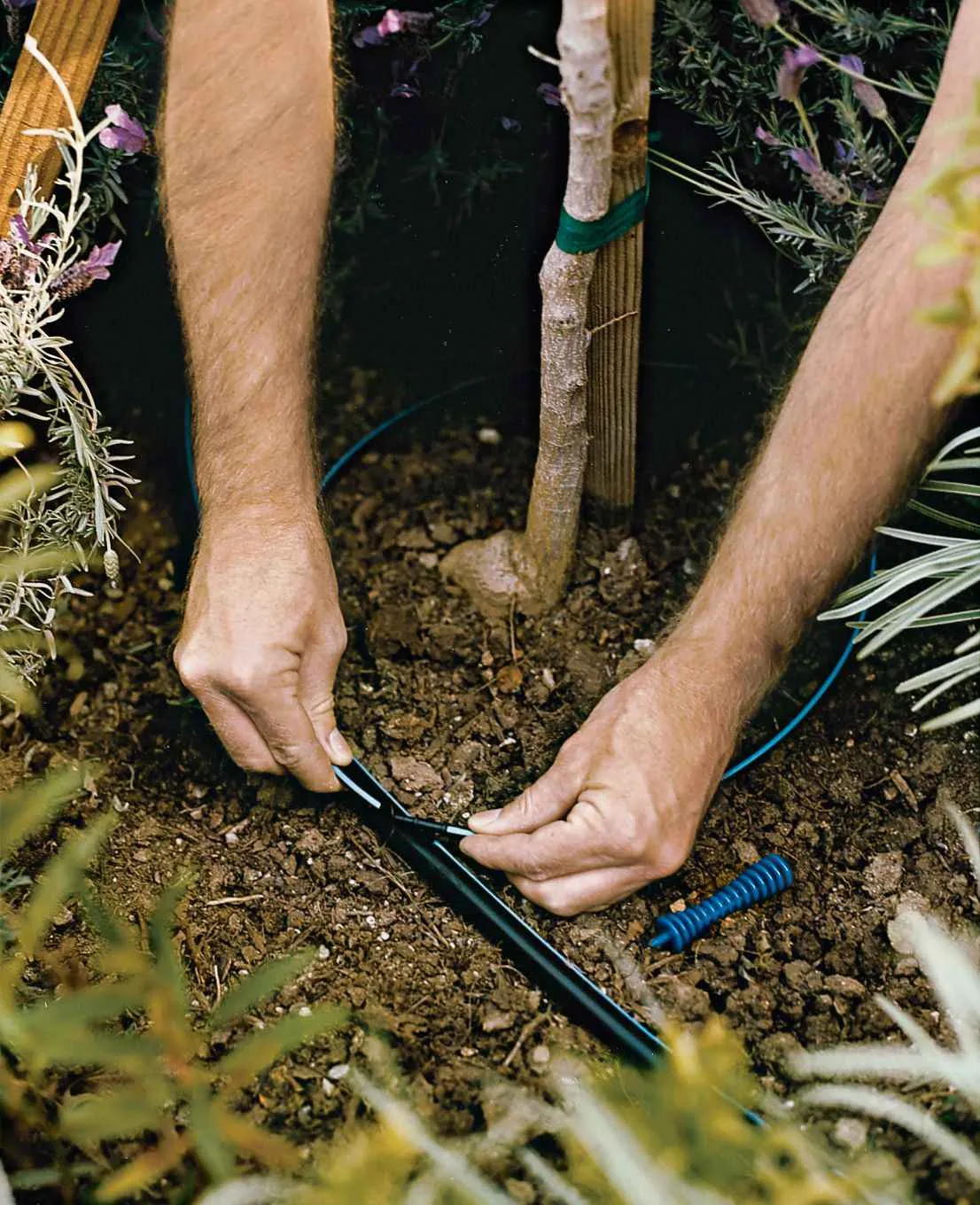
Drip tubing delivers water close to trees, shrubs, and bed plants. The route and emitter placement should follow the planting layout and remain accessible enough to inspect, move, or add delivery points as plants establish.
Drip tubing is laid around the plants it serves and adjusted as the planting establishes.
The best time to coordinate irrigation is before sod, rock, mulch, and final hardscape edges close the site. That gives lines, valves, heads, and drip routes a clear place in the construction sequence.
The plan identifies lawn, trees, shrubs, beds, hardscape, slopes, sun, and the available water source before trenches or head locations are set.
Areas with different watering needs are separated so a sunny lawn is not scheduled like a shaded bed or a newly planted tree.
Piping, valves, spray heads, and drip routes are coordinated with grading, edging, patios, walks, walls, and future maintenance access.
Each zone is operated, checked for dry gaps and unintended spray, and adjusted around edges and plant material before the landscape is considered complete.
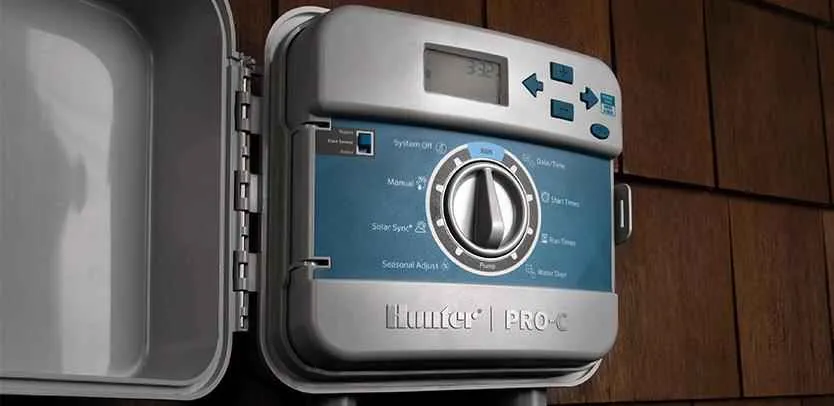
The controller receives a starting schedule based on the new landscape. That schedule is a baseline, not a permanent setting, and should change with weather and establishment.
Controller placement should be accessible for monitoring and adjustments. Each zone receives a starting runtime and frequency, but the schedule must respond to establishment, heat, rainfall, exposure, and the transition into cooler weather.
Before freezing conditions, the system needs seasonal shutdown and protection appropriate to the property. At spring start-up, operate every zone and check heads, drip lines, valves, and coverage before relying on the previous schedule.
We also inspect, maintain, upgrade, and retrofit existing systems. We evaluate what is already in place before deciding whether a landscape change needs adjustment, added coverage, new zones, or more extensive replacement.
Trenches and sleeves should be planned before finished surfaces make access difficult. On a complete project, we coordinate irrigation with grading and drainage, then with retaining walls, paver patios and walks, or concrete hardscape. The goal is not just to hide the system. It is to make each zone accessible, keep spray off hardscape where practical, and serve the plants that will actually occupy the space.
Monitor new lawn and planting closely, then adjust from the initial schedule as roots establish.
Watch for runoff, soggy areas, dry edges, blocked heads, leaks, or emitters that no longer reach the intended root zone.
Revisit coverage when beds expand, trees mature, lawn is removed, or new hardscape changes the route of water.
Yes. We plan and install new sprinkler zones for lawn and drip irrigation for trees, shrubs, and planting beds, coordinating the system with the grade, hardscape, and living material being installed.
Zones group areas with similar delivery methods and watering needs. Lawn, trees, and planting beds should not automatically share one schedule. Sun exposure, slope, plant type, layout, pressure, and available flow all affect how the system is divided.
Coverage begins with correct head spacing and arcs, then continues with testing and adjustment. Edges beside concrete, pavers, fences, walls, and planting beds need deliberate attention so water reaches the intended area as consistently as the site allows.
No. Drip can serve trees, shrubs, perennials, ornamental grasses, and other planted areas when it is laid out for their root zones. The emitters and schedule should reflect the plants and be revisited as the landscape establishes.
They should not. A new lawn or planting needs an establishment schedule, while an established landscape usually needs a different pattern. Heat, rainfall, exposure, and seasonal growth change demand, so controller runtimes need periodic attention.
Yes, after it is inspected. The practical scope depends on the existing valves, piping, coverage, controller, and the landscape changes being made, so we review the system before recommending an adjustment, upgrade, or replacement.
We will review the lawn, planting, grade, hardscape, and existing system so the irrigation scope supports the yard being built.