Having the acreage for an unlimited lawn is not the same as having the water to keep it alive through a Colorado summer. We begin by sizing the maintained core to what the property's well, cistern, or metered tap can actually deliver, then plan windbreak trees, shrubs, and lower-water ground cover for everything past it.
What the supply can actually deliver
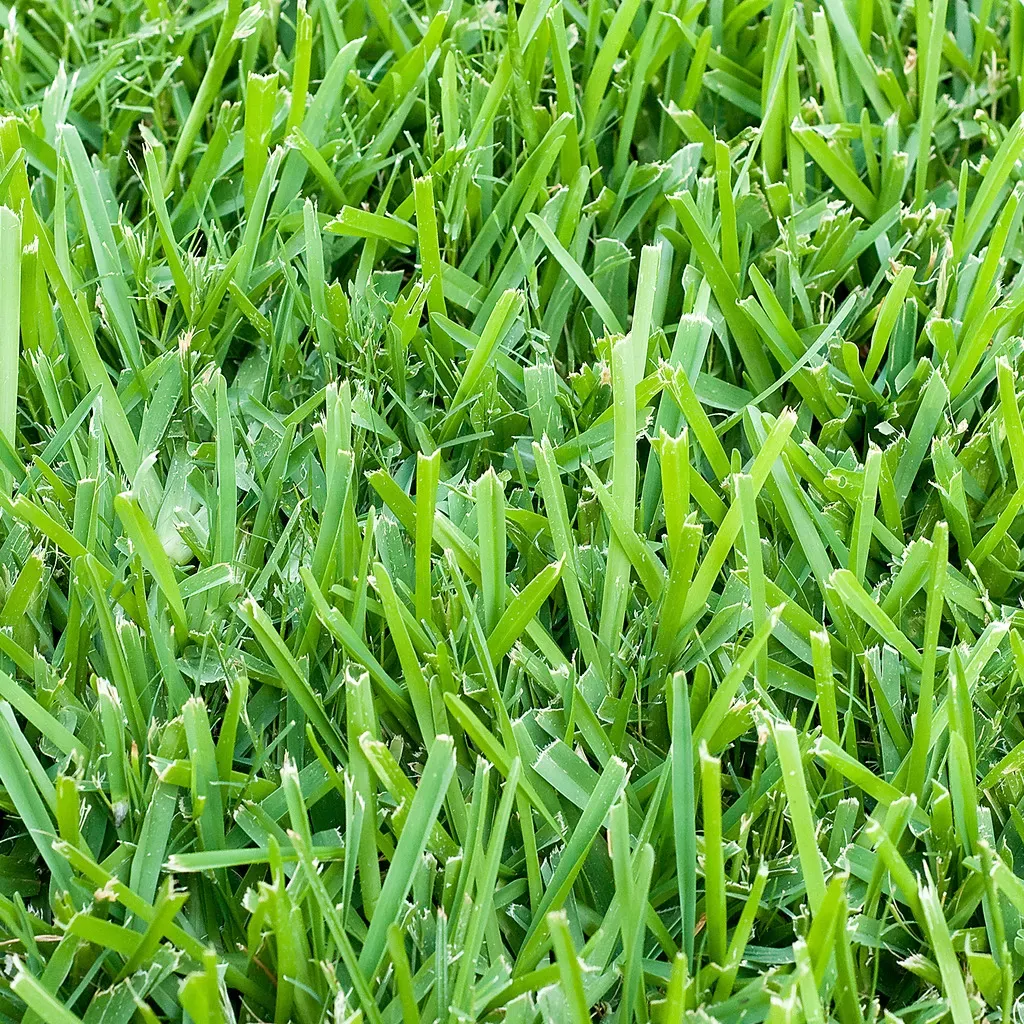
A maintained lawn is a standing, all-summer water commitment. We size the sod footprint to what the property's well, cistern, or metered tap delivers under sustained load, rather than defaulting to a full-yard lawn just because the lot has the space for one.
Open exposure and prevailing wind
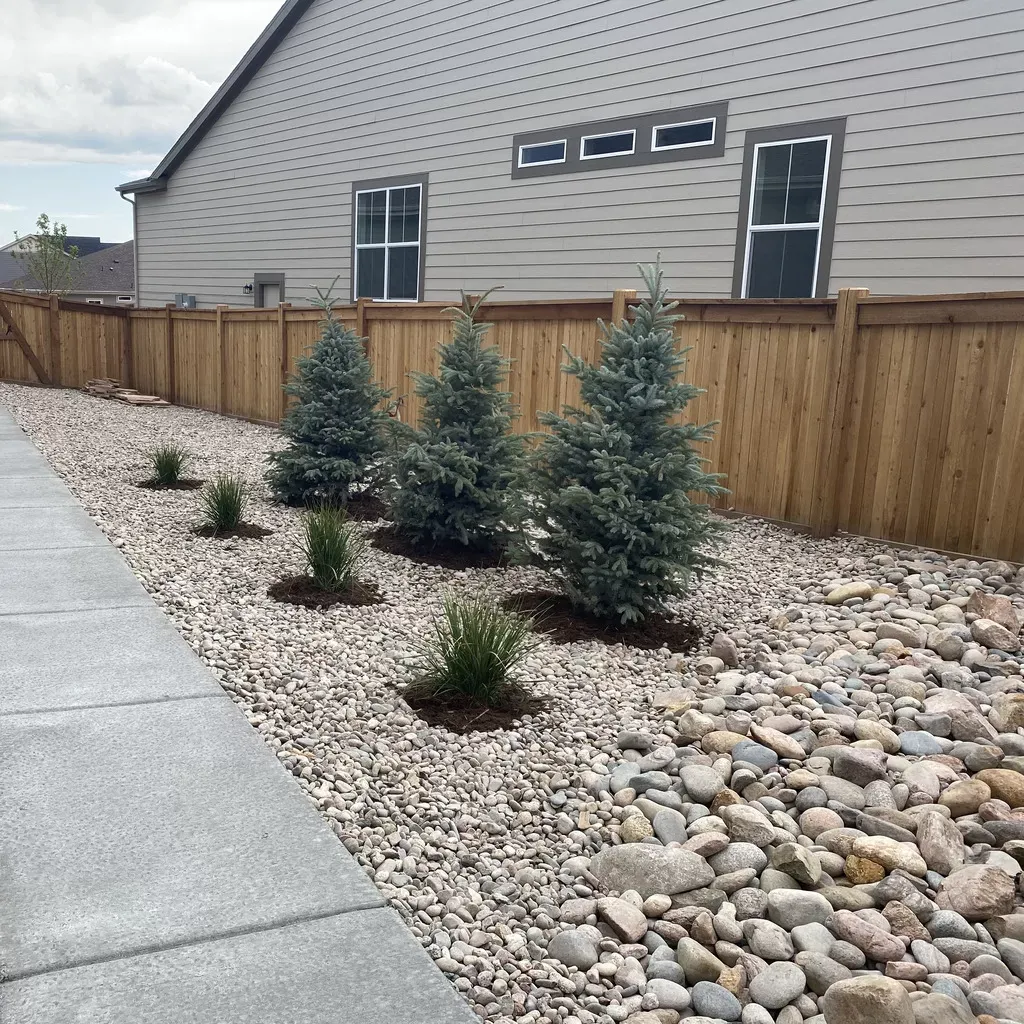
A large parcel usually has far less windbreak than a built-up neighborhood. Tree and shrub placement accounts for the prevailing wind, drifting snow, and the drying pull that open exposure puts on young plantings.
Ground that was never landscaped
Soil on acreage has often never been graded, amended, or irrigated. Preparation follows what the specific ground shows, compaction, drainage, and existing vegetation, instead of a subdivision-lot assumption about what is underfoot.
A canvas measured in acres, not feet
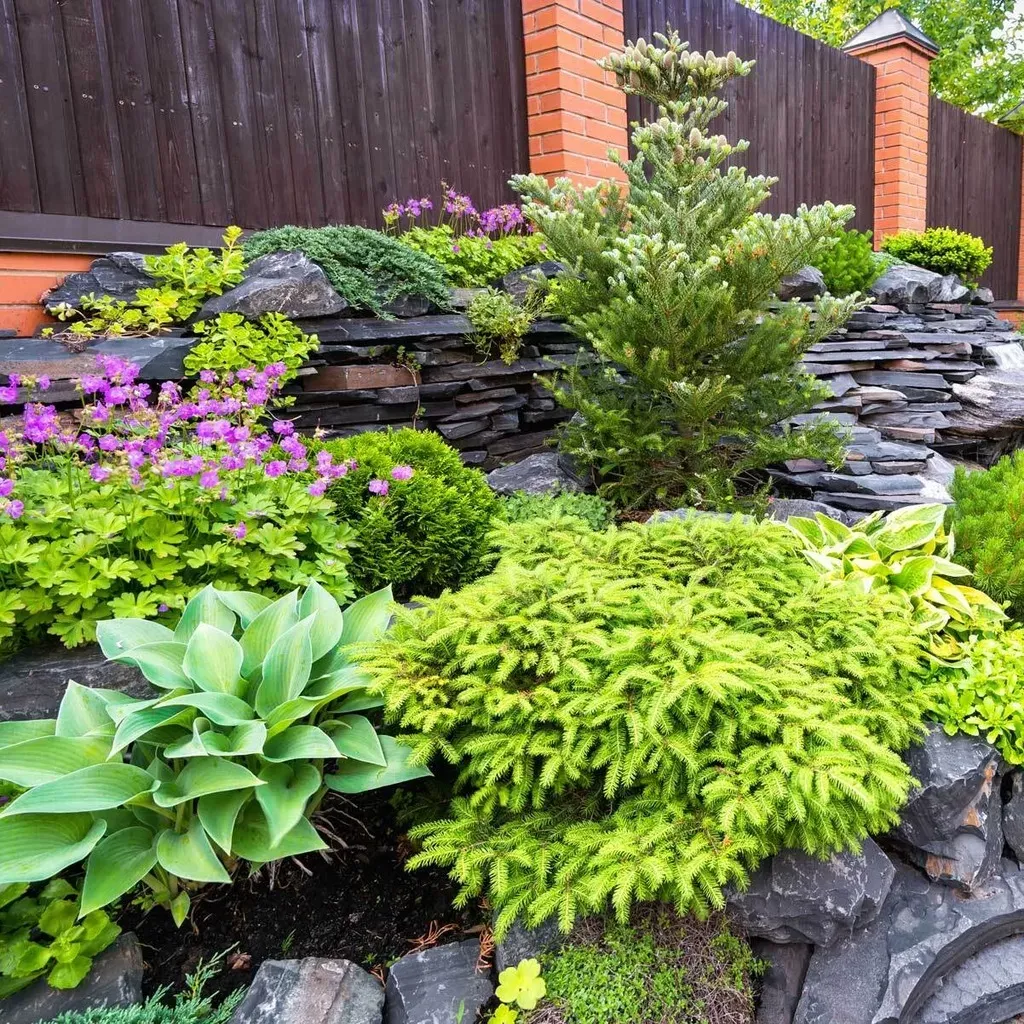
Trees and shrubs still have to be placed for their mature size, but on acreage that also means screening outbuildings, framing long sightlines to the road, and building a windbreak, not simply filling a foundation bed.