Design to tested output, not the nameplate
A well's usable delivery depends on the pump, the recovery rate, and whatever else draws from it. We confirm actual output under load before a single zone is sized, never the well's theoretical maximum.


Sprinkler and Drip Zoned to Your Own Water Supply
A rural property draws from its own well, cistern, or metered tap rather than an unlimited municipal line, and a longer run across open acreage changes pressure and coverage. We design and install sprinkler and drip systems zoned to what the property's water source can actually deliver.
Tell us what is being planted, your water source, and what the current setup is doing.
The source is the first design input
On acreage, the opening irrigation question is not what to water but what the source can support. A private well, a cistern, and a metered tap each carry a different real ceiling, and the design has to respect that ceiling before it ever gets to lawn, trees, or beds.
A well's usable delivery depends on the pump, the recovery rate, and whatever else draws from it. We confirm actual output under load before a single zone is sized, never the well's theoretical maximum.
A cistern holds a hard limit per fill cycle. Zones and runtimes are sequenced so one watering day cannot draw the tank down faster than it refills.
Even on a metered connection, a long run from the tap to the far corner of the lot changes pressure and head spacing. On acreage, distance is part of the design from the start.
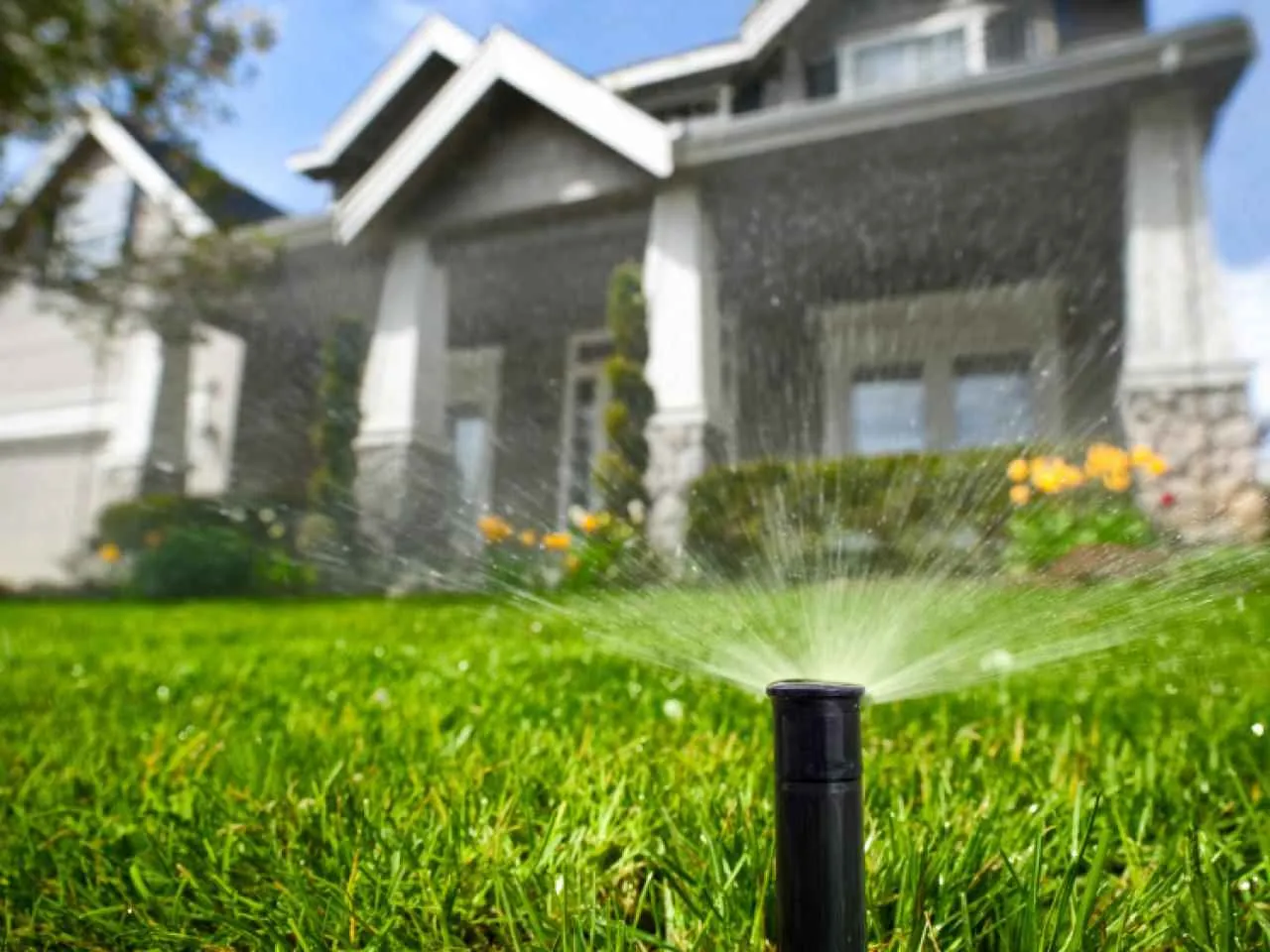
Before a yard's layout drives the zone plan, the property's tested output does. A well's usable delivery hangs on the pump and recovery rate; a cistern holds a finite volume per fill; a metered tap still has to push through a long pipe run to reach the far side of the lot.
Grouping areas by both use and supply is what gives the controller useful control. A slow drip zone can run on its own while a spray zone waits, and total simultaneous demand stays under what the source can actually sustain rather than what the layout would ideally run all at once.
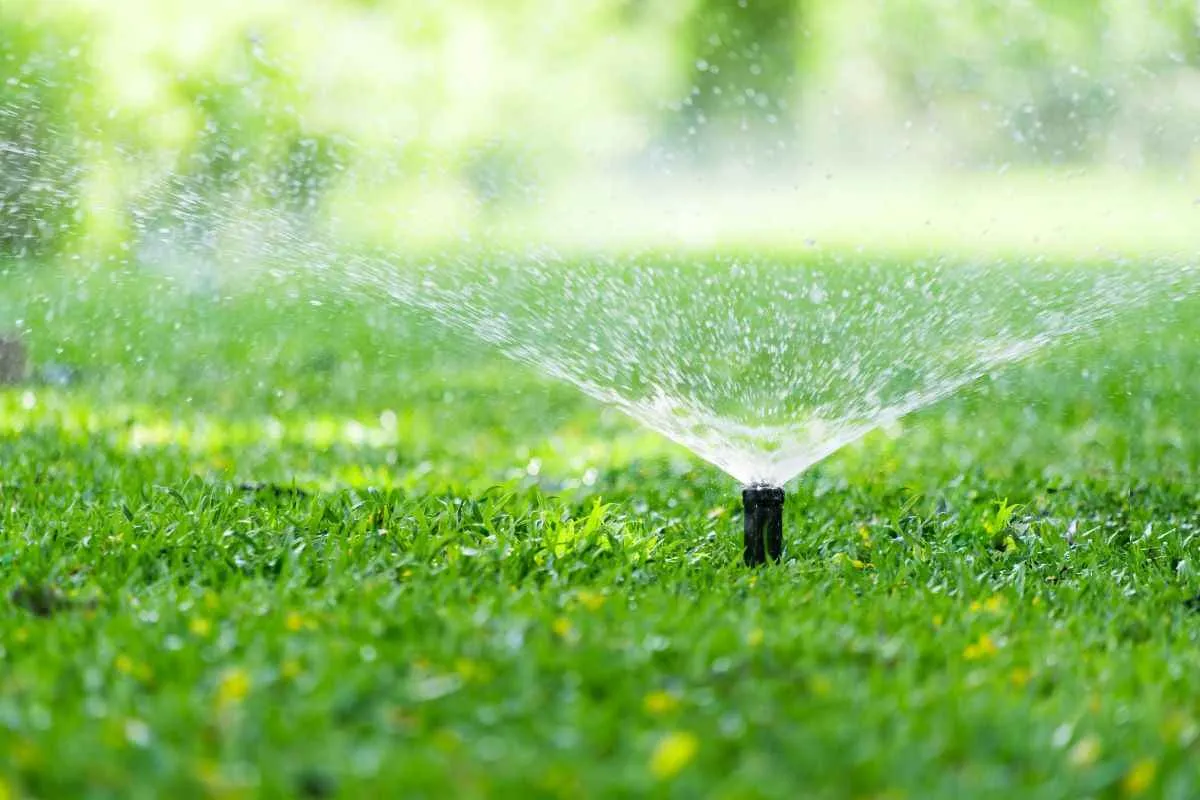
A run reaching across acreage bleeds pressure along the way, which changes head spacing and arc selection long before it ever reaches a bed or hardscape edge. We set zone breaks around that distance instead of stretching one layout past the point where it still performs.
Longer runs on acreage change the pressure and spacing math behind consistent coverage.
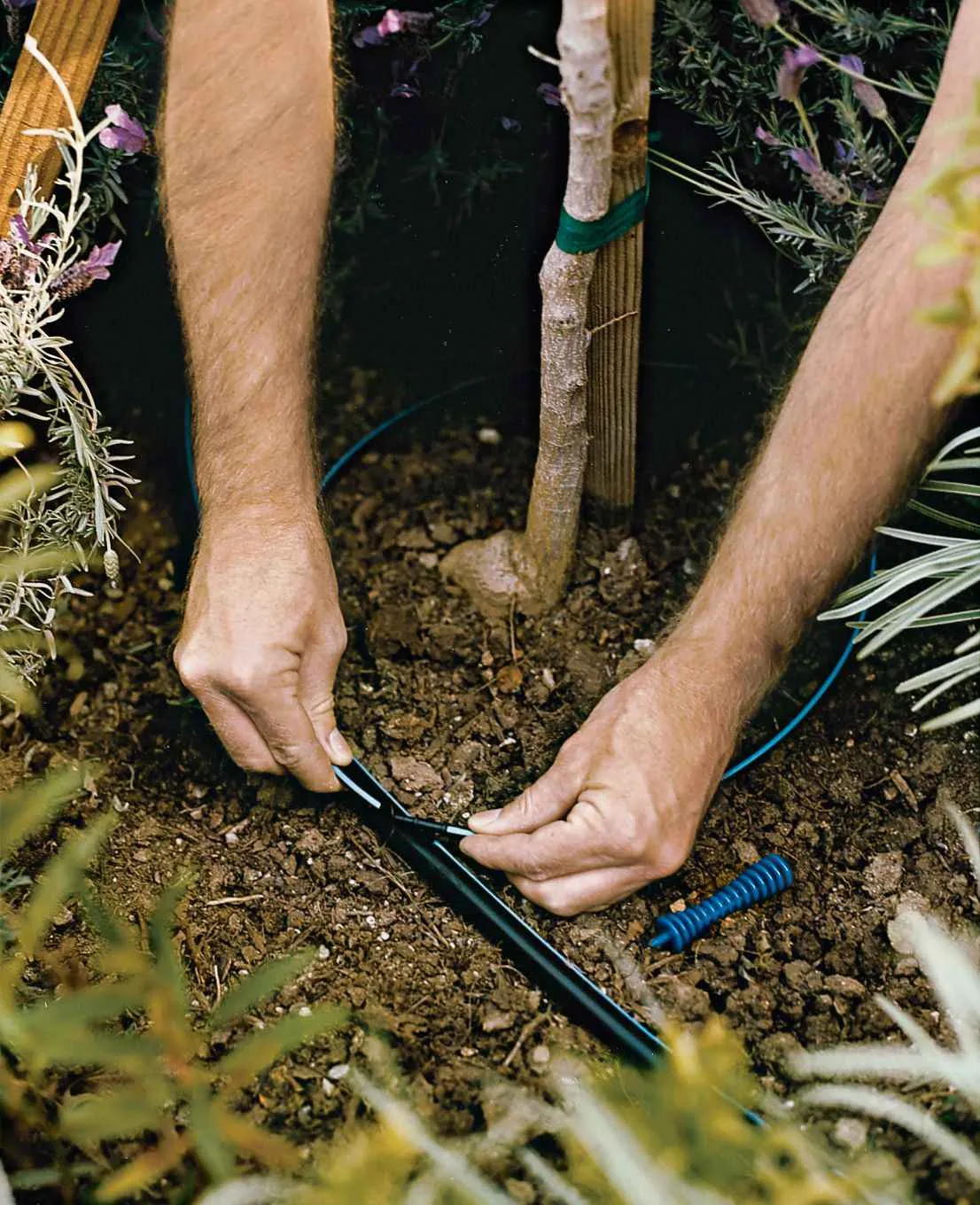
Drip tubing puts water right at trees, shrubs, and bed plants with less waste than spray, one of the most direct ways to keep total demand under what a limited well or cistern can sustain. Emitter placement stays reachable as plants establish and mature.
Drip delivery is one of the more direct ways to keep demand inside what a well can sustain.
Confirming the water source comes before any trench opens. From there, lines, valves, and drip routes are sized for the distance and pressure realities of a large lot instead of a standard suburban layout.
We identify whether the system runs off a well, cistern, or metered tap and test its real output before any zone or head count is set.
The plan records lawn, trees, shrubs, beds, and hardscape along with the well head, septic field, and propane run before trenches or head locations are set.
Areas are divided so total simultaneous demand never exceeds what the tested supply delivers, not merely by exposure or plant type.
Piping, valves, spray heads, and drip routes are sized for the pressure loss a longer acreage run creates, and coordinated with grading, edging, and future service access.
Each zone is operated and adjusted, then the controller receives a starting schedule sequenced to the property's real supply rather than an assumed unlimited one.
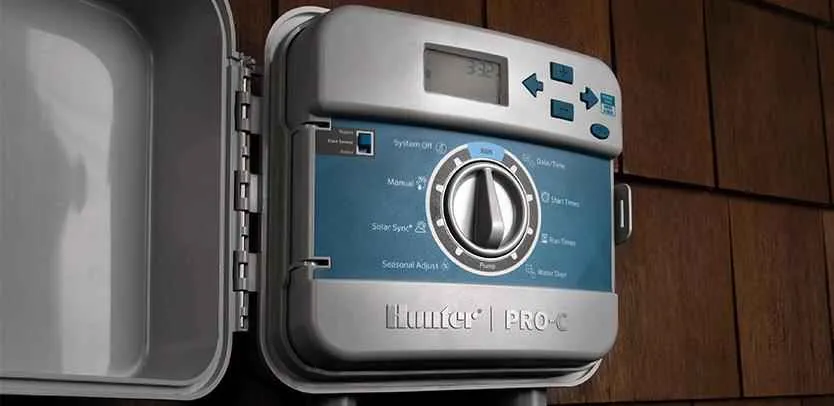
Put the controller where it is easy to reach for monitoring and adjustment. Each zone gets a starting runtime sequenced so total simultaneous demand never tops the well, cistern, or tap's tested delivery, and that schedule still has to answer establishment, heat, and the turn into cooler weather.
Ahead of freezing weather the system needs seasonal shutdown and protection suited to the property. At spring start-up, run every zone and check heads, drip lines, valves, and coverage before trusting last year's schedule, and reconfirm the well or supply's output has not shifted.
We also inspect, maintain, upgrade, and retrofit existing rural systems, evaluating the current source and equipment before deciding whether a landscape change calls for an adjustment, added coverage, new zones, or a more extensive replacement.
Trenches and sleeves should go in before finished surfaces make access hard, and on acreage that also means routing clear of the well head, the septic field and its reserve area, and the propane run. On a complete project we coordinate irrigation with grading and drainage first, then with retaining walls, paver patios and walks, or concrete hardscape, keeping each zone reachable and matched to the plants and turf that will actually occupy the space.
Watch new lawn and planting closely, then ease back from the starting schedule as roots establish and the supply's real output is confirmed.
Look for runoff, soggy patches, dry edges, blocked heads, leaks, or emitters that no longer reach the intended root zone across a longer run.
Revisit zone sizing when beds expand, trees mature, turf is added, or the well or supply's tested output changes.
Yes. A well, a cistern, and a metered tap each carry a different flow, pressure, and total capacity. We confirm which one the property has and its tested output before sizing zones, valve counts, or head types, instead of designing to a generic assumption.
We test the well's real delivery under load, then split the landscape into zones sized so total simultaneous demand stays under that figure. Drip zones for trees, shrubs, and beds usually carry a larger share of the design than they would on an unlimited municipal supply.
Longer pipe runs lose pressure, which shifts head spacing, arc selection, and where a zone break has to fall. We plan for that distance directly rather than stretching a standard suburban layout across acreage and hoping the coverage holds.
Yes. Drip delivers water close to the root zone with less waste than spray, which is one of the most direct ways to keep total demand inside what a well or cistern can sustain, especially for trees, shrubs, and beds outside the main lawn.
We locate the well head, the septic field and its reserve area, the propane tank and line, and any utility route before trenching, then route piping and drip lines to stay clear of what will need future service.
Often, once it is inspected. The practical scope depends on the existing valves, piping, coverage, water source, and controller, and on the landscape changes being made, so we review the system before recommending an adjustment, upgrade, or replacement.
We will review your water source, the lawn, planting, grade, and existing system so the irrigation scope matches what the property can actually supply.