Custom Landscapes by Design logo
Finished green lawn beside decorative rock, small plants, and a concrete patio

Living-Landscape Installation for Established Yards

Highlands Ranch Sod, Trees, and Plants

Renew lawn and planting without treating the property as a blank site. We coordinate retained trees and shrubs, new sod, planting beds, soil preparation, irrigation, and every transition to the landscape already in place.

  • Targeted sod replacement and prepared new lawn areas
  • Trees, shrubs, grasses, and perennials placed for mature scale
  • Irrigation and establishment planned with the living material

Request a Highlands Ranch Sod and Planting Estimate

Tell us what you want to keep, replace, or add. We will review the property and define the living-landscape scope.

Start with the living inventory

Renovate Sod and Planting Around What Is Worth Keeping

Established yards already have shade patterns, root systems, hardscape edges, irrigation zones, and plants competing for space. A useful Highlands Ranch softscape plan separates the pieces that still work from those limiting the next version of the yard, then gives each new lawn or planting area a defined purpose.

Retain the useful living structure

Mature trees, established shrubs, and healthy lawn areas can give a renovation immediate scale. We identify the material that supports the new layout so removal, equipment access, and irrigation changes can be planned around it.

Replace the areas that no longer fit

A thin lawn, crowded bed, or plant that has outgrown its available space may need a targeted change rather than a yard-wide reset. The replacement limits are defined before soil work begins.

Add what the yard is missing

A shade tree, screening layer, usable lawn panel, or stronger bed edge can solve a specific need. New material is placed for its mature role and its relationship to retained patios, walks, walls, gates, and views.

Lawn replacement is ground work

Sod Installation Begins with Removal Limits, Soil, Grade, and Edges

The finished lawn inherits every low spot, compacted area, and awkward transition beneath it. We define what is being removed, prepare the root zone the site needs, establish drainage and finished elevation, and make clean connections to concrete, pavers, rock, planting beds, and retained lawn.

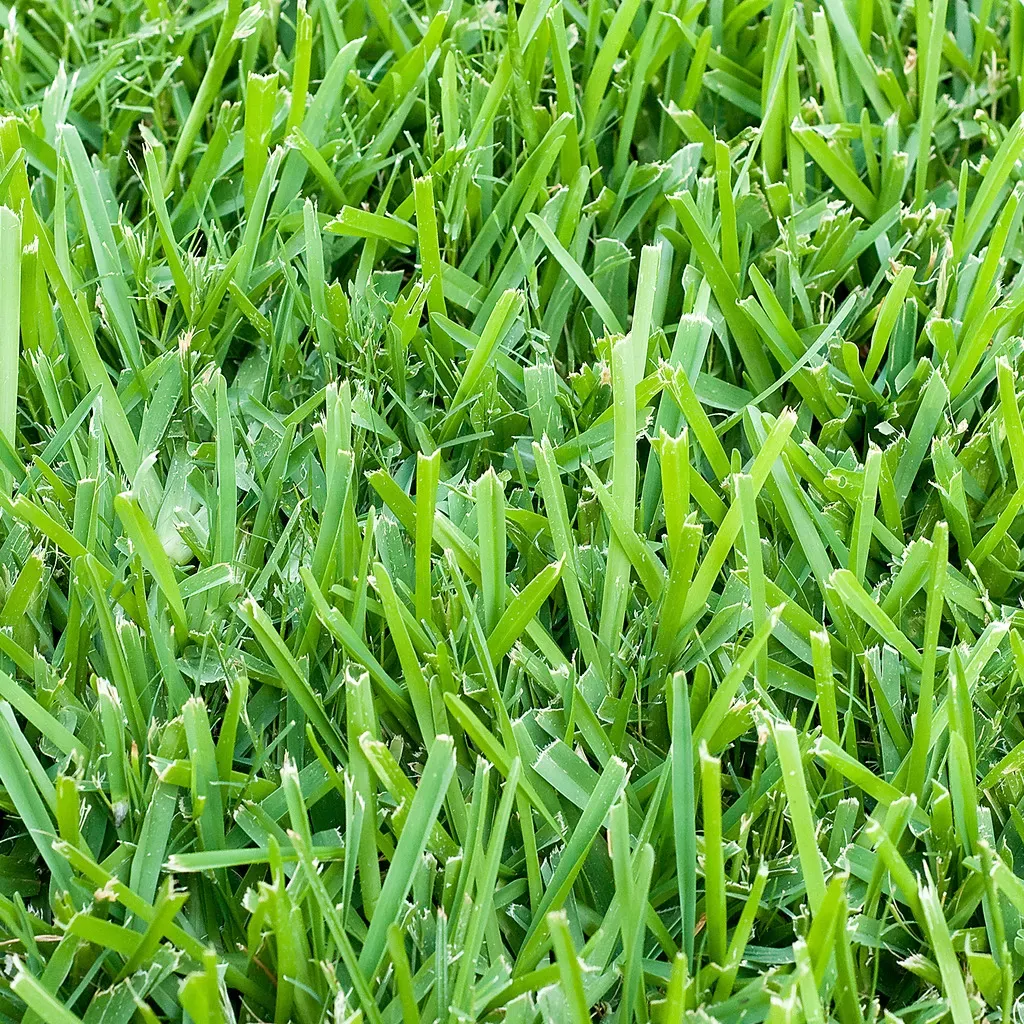
Tahoma 31, Colorado Blue, and RTF are documented options when project fit and current supply align. Selection follows sun, traffic, irrigation reach, soil response, maintenance preferences, and the role the lawn will play. The photograph supports the sod-selection discussion but does not establish a cultivar or project location by appearance.

Close view of dense green grass blades
Texture and density are visible here; site conditions and project goals determine the sod selection.

Design for the future footprint

Place Trees and Planting Beds Around Mature Size and Fixed Yard Edges

New living material should improve the yard as it grows. Exposure, drainage, root space, screening, views, maintenance access, irrigation, and the distance to buildings, fences, walks, and retained plants all shape placement.

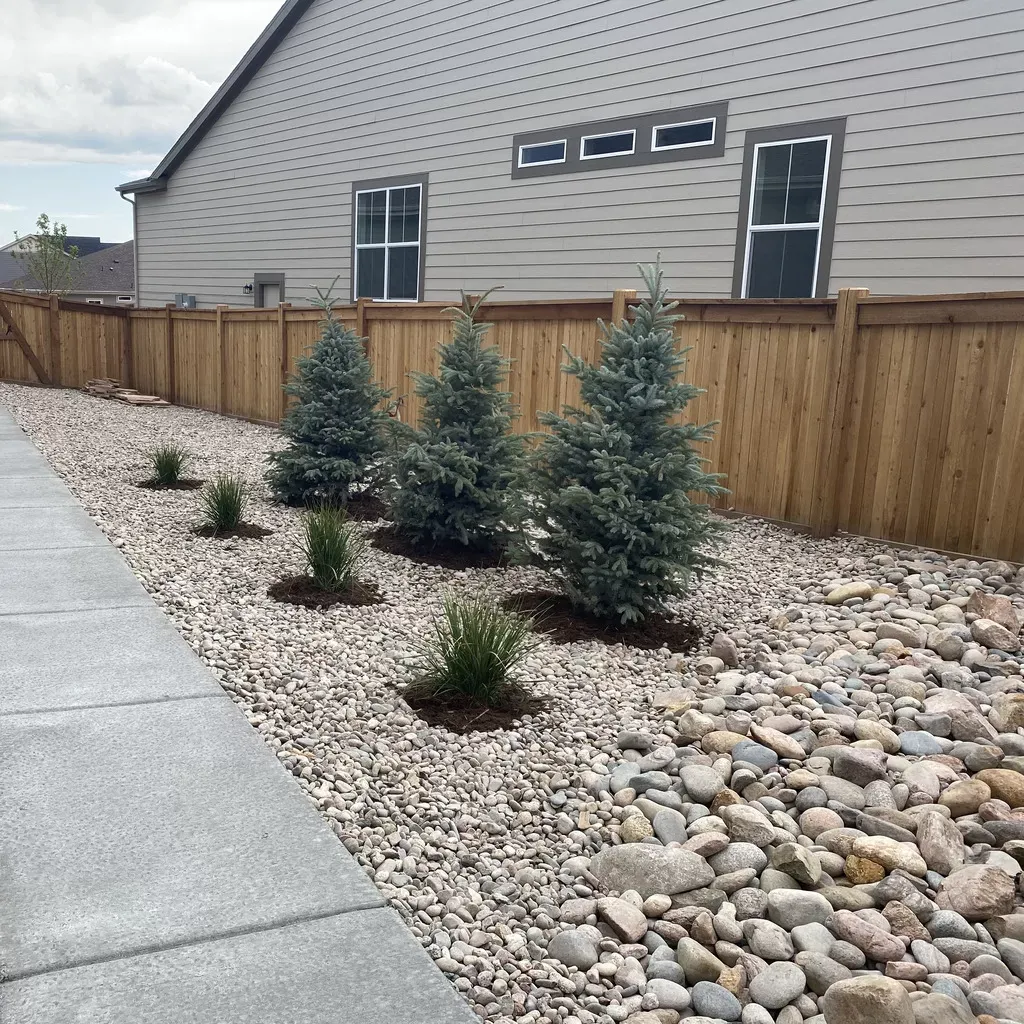
Young spruce trees and ornamental grasses in a rock bed beside a walk and wood fence

Trees Establish Scale, Shade, and Screening

Evergreen and deciduous trees can provide year-round structure, seasonal shade, a focal point, or separation. Spruce is one useful Colorado option, but the project is not built from a fixed availability list. Species and location follow the actual exposure, drainage, purpose, and mature footprint.

Installed size is the starting point; spacing must also account for the fence, walk, and future tree footprint.

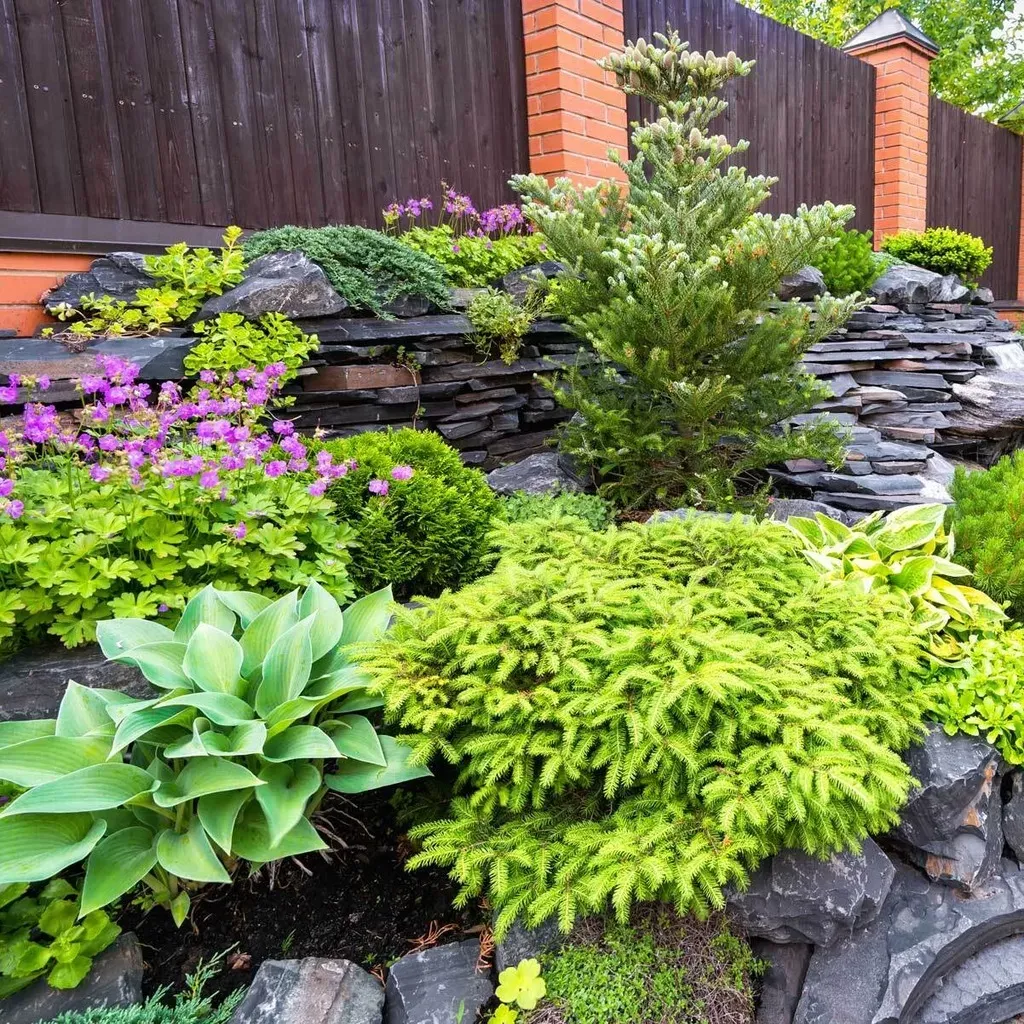
Layered ornamental bed with evergreen forms, flowering perennials, and stone accents

Beds Need Structure Across More Than One Season

Shrubs build the larger forms, grasses contribute texture and movement, and perennials provide changing color. Bed depth, mature spread, bloom sequence, reflected heat, irrigation, maintenance access, and the choice of mulch or decorative rock are resolved as one composition.

Layered forms and textures give a planting bed structure beyond its installation season.

Protect finished work through sequence

How an Established-Yard Softscape Installation Comes Together

01

Map what stays and what changes

Mark retained plants, lawn limits, new beds, tree locations, hardscape edges, access, utilities, drainage routes, and irrigation components before demolition or soil preparation.

02

Prepare grade and root zones

Remove the defined material, correct low spots and compaction where the site needs it, and establish finished elevations that meet walks, patios, edging, and planting beds cleanly.

03

Install the largest living elements first

Set trees and the structural planting while access is open, checking depth, mature footprint, exposure, drainage, and the room needed around retained landscape features.

04

Complete beds and sod

Layer shrubs, grasses, and perennials, finish mulch or decorative rock, and lay sod tightly over the prepared grade with deliberate transitions at every edge.

05

Test water and begin establishment

Confirm coverage and drip delivery, water the new root zones, and start a temporary establishment schedule that can be adjusted as roots develop and the season changes.

Water follows the new layout

Establishment Irrigation Is Temporary by Design

New sod and planting need close moisture monitoring while roots establish, but they do not automatically share a delivery method or runtime. We test lawn coverage, place drip around the plants it serves, and coordinate the initial schedule with weather, soil response, exposure, and installation timing.

The permanent goal is a seasonal routine for an established landscape. As roots develop, frequency and runtime should be adjusted; drip placement and blocked lawn heads also need attention as plants grow.

Property-specific verification

Confirm Water, Review, and Utility Questions for the Address

The applicable water-provider guidance, property review, utility clearance, and other project requirements can depend on the address and proposed work. We identify those inputs for the actual scope instead of presenting one unverified rule as if it governs every Highlands Ranch property.

Scope before pricing

What Shapes a Highlands Ranch Sod and Planting Estimate

An on-site estimate turns the desired lawn and planting changes into quantities, preparation, protection, irrigation, and a workable construction sequence.

  • Selective removal, disposal, and protection of retained plants or surfaces
  • Access, grade correction, drainage, soil preparation, and bed construction
  • Lawn area, sod selection, tree and plant quantities, sizes, and current supply
  • Irrigation changes, establishment needs, mulch or rock, edging, and project sequence

Highlands Ranch Sod, Tree, and Plant Questions

Can you replace only part of an existing Highlands Ranch lawn?

Yes. A defined lawn panel can be replaced when the retained grade, irrigation, and edges support the plan. We confirm the transition between new and existing lawn, remove the agreed area, prepare its root zone, and adjust coverage instead of assuming the whole yard must be rebuilt.

Which sod varieties do you install?

Documented options include Tahoma 31, Colorado Blue, and RTF when the project and current supply align. Tahoma 31 is selected for drought and cold tolerance, but exposure, use, soil, irrigation, maintenance expectations, and availability determine the final choice.

Can existing trees and shrubs stay during a landscape renovation?

Often they can when their condition, location, mature size, and relationship to the proposed work make them useful to retain. The site plan identifies protected root areas and equipment routes before construction. When specialized tree-risk assessment is needed, that is a separate professional determination.

How do you place new trees around an established yard?

We plan from mature height and spread, sun, wind, drainage, screening goals, views, buildings, fences, walks, overhead and underground constraints, and neighboring planting. The installed size is only the starting point.

What happens before new sod is laid?

The defined area is cleared, graded for drainage, and prepared so the root zone is reasonably consistent. Compaction relief, soil amendment, and elevation adjustments depend on what the property reveals; there is no single preparation depth that fits every yard.

Does new planting use the same watering schedule as sod?

Not automatically. Lawn, trees, shrubs, and perennials have different root zones and delivery needs. Sprinkler coverage and drip irrigation should follow those areas, and the initial establishment schedule should be reduced or changed as the material takes root.

What should a Highlands Ranch sod and planting estimate include?

The estimate should define retained and removed material, soil and grade preparation, sod and plant quantities, bed finishes, irrigation changes, access, disposal, establishment responsibilities, and how the work connects to existing hardscape. Property-specific review or utility questions are confirmed for the proposed scope.

Renew the Living Landscape Around What Already Works

We will inventory the existing yard, define the lawn and planting changes, and build a coordinated scope for soil, grade, irrigation, installation, and establishment.