Custom Landscapes by Design logo
Pop-up sprinkler distributing water across lawn and nearby plants

Sprinkler and Drip Systems for Established Landscapes

Highlands Ranch Irrigation System Installation

Make the irrigation layout match the yard that exists today. We inventory usable components, redesign lawn and planting zones, coordinate buried work with the renovation, and test delivery before setting the first seasonal schedule.

  • New sprinkler and drip irrigation installation
  • Existing-system inventory, modification, and landscape-driven replacement
  • Coverage, controller, grade, hardscape, and planting coordinated together

Request a Highlands Ranch Irrigation Estimate

Tell us what the system currently serves and what is changing in the yard. We will review the property and define the irrigation scope.

Audit before redesign

Start a Highlands Ranch Irrigation Renovation with the Existing System

An established yard may have irrigation that predates its current lawn edges, planting, patio, fence, or retaining wall. Keeping every old zone can preserve dry spots and overspray; replacing everything can discard useful infrastructure. We inspect the system and the landscape together so each component has a reason to remain, move, or be replaced.

What still serves the right area?

Existing valves, piping, heads, drip lines, and controller functions are useful only when they can support the current landscape. We compare what operates with the lawn, beds, trees, and hardscape that now occupy the yard.

What changed around the system?

Expanded planting, mature roots, removed lawn, new patios, walls, fences, and settled grade can make an old layout inefficient or incomplete even when individual components still run.

What should be repaired or replaced?

The site review separates isolated coverage or component problems from routing, pressure, flow, zoning, or controller limitations that call for a larger redesign.

Pop-up spray head watering a residential lawn near planting beds
The lawn-and-bed edge shows why the landscape map comes before the valve and runtime decisions.

Water demand defines the map

Plan Irrigation Zones from the Finished Lawn and Planting

A valve should serve areas that can operate well together. Lawn coverage, tree root zones, shrubs, perennial beds, sun and shade, slopes, narrow spaces, and available pressure and flow all influence how the system is divided.

That map is coordinated before hardscape, sod, or planting closes over the buried routes. Existing components remain only when they can reach the right area, operate with the redesigned system, and stay accessible for future service.

Use the delivery method that fits the surface

Balance Sprinkler Coverage for Lawn with Drip at Plant Root Zones

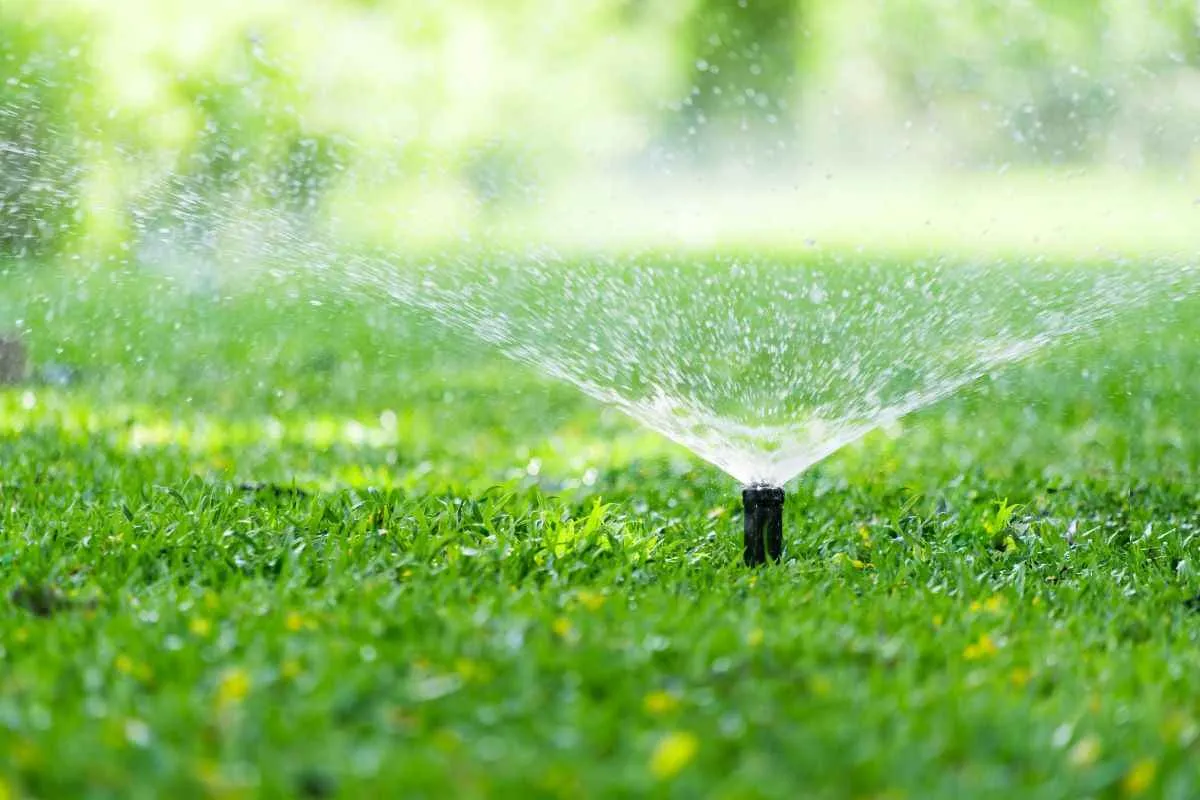
Low pop-up spray head distributing water across a lawn

Sprinkler Coverage Is Proven in Operation

Head placement, spacing, arcs, pressure response, and edge adjustment determine whether water reaches the intended lawn. We test the visible pattern, correct blocked or misaligned heads, and pay particular attention beside walks, patios, walls, fences, and planting beds.

A visible spray pattern helps reveal how spacing, arcs, and adjustment perform at lawn edges.

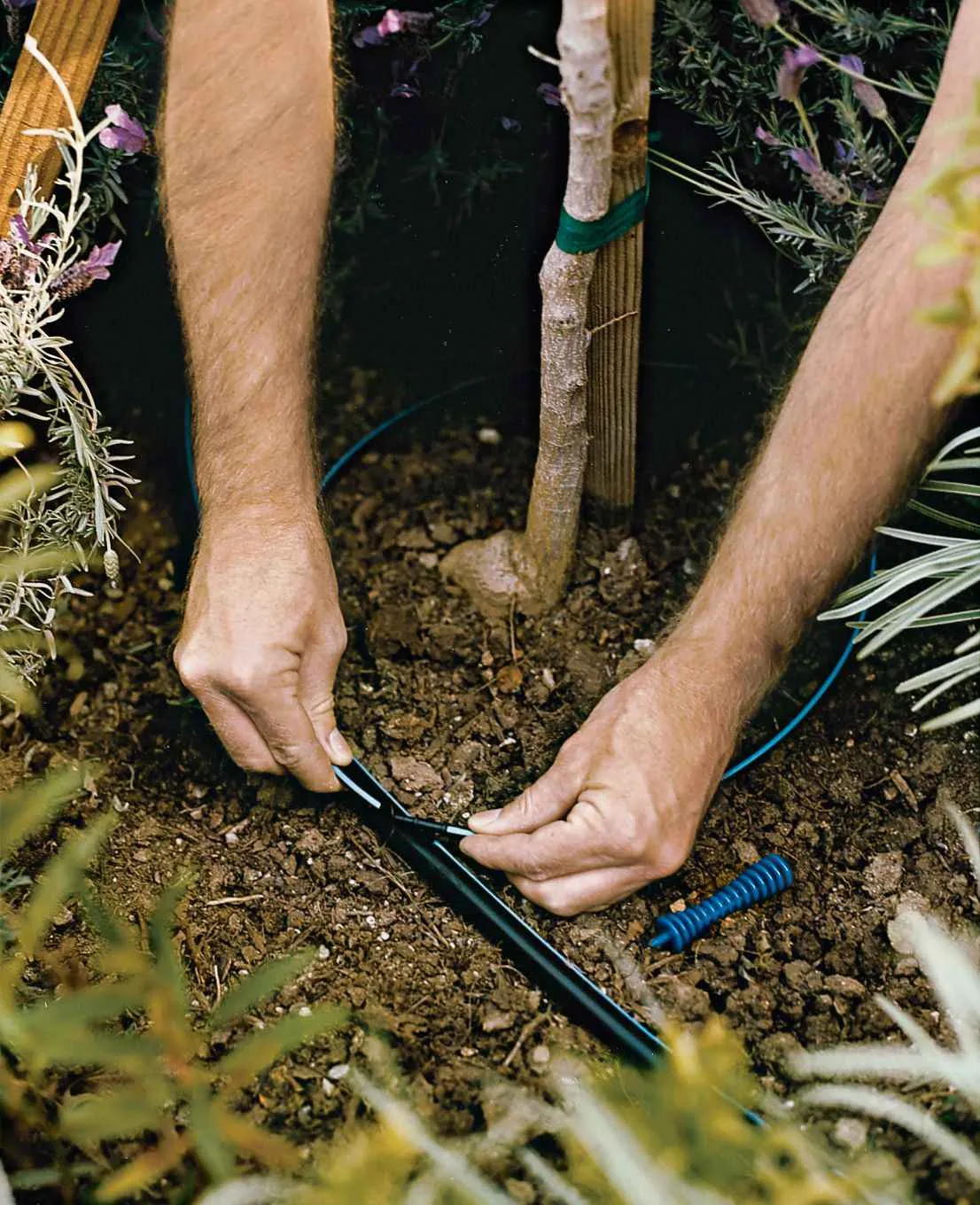
Hands connecting drip tubing beside a young tree in a planting bed

Drip Delivery Follows Plants as They Grow

Tubing and emitters are arranged around the root zones of trees, shrubs, grasses, and perennials rather than installed as a generic bed loop. Delivery, filtration, pressure, and runtime follow the design, and emitter placement should be revisited as the planting establishes.

Drip tubing is arranged around the plants it serves and revisited as the root zones expand.

Buried work belongs early in the renovation

How Irrigation Installation Moves from Inventory to Seasonal Handoff

01

Inventory landscape and equipment

Map lawn, planting, exposure, slope, hardscape, drainage, existing valves and heads, controller, available pressure and flow, and the parts of the system that may remain.

02

Design zones around water demand

Group compatible lawn or planting areas, select spray or drip delivery, lay out coverage, and account for edges, elevation changes, retained systems, and future access.

03

Install buried work before finish work

Coordinate sleeves, piping, valves, wiring, heads, and drip routes with demolition, grade, drainage, hardscape, sod, and planting while the work remains accessible.

04

Test and adjust the operating system

Check each zone for leaks, pressure response, head alignment, arcs, coverage, drip delivery, and controller operation, then correct visible dry areas or overspray where the site allows.

05

Set the first schedule and handoff

Program an initial schedule for the installed landscape, explain zone operation and seasonal adjustment, and identify the conditions the owner should monitor as sod and plants establish.

Control does not replace observation

Use the Irrigation Controller as a Seasonal Operating Tool

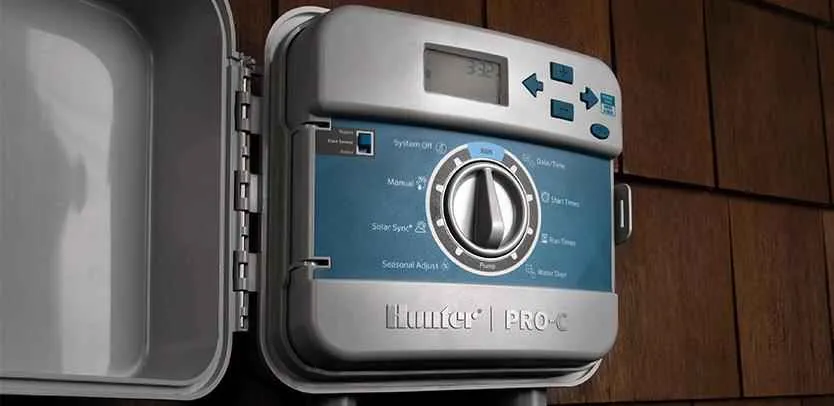
A controller organizes start times and runtimes for separate zones. Some equipment can also use weather or sensor inputs, but no controller can repair poor coverage, a leak, a blocked head, or incompatible plants grouped on one valve.

New sod and planting begin with an establishment schedule, then transition as roots develop. Through the season, operators should watch for runoff, soggy areas, dry edges, plant growth blocking heads, damaged drip, and landscape changes that make the original program obsolete.

The controller pictured is a generic example of visible scheduling controls. It is not a product recommendation or evidence of a system installed in Highlands Ranch.

Wall-mounted irrigation controller with timer and seasonal-adjustment controls
A controller organizes programs and runtimes; coverage and seasonal observation still determine performance.

Coordinate the systems that share the ground

Install Irrigation Before Patios, Walls, Sod, and Beds Close Access

Sleeves, main and lateral piping, valves, wiring, heads, and drip routes should be resolved with grade, drainage, hardscape, planting, and lighting. That sequence avoids unnecessary cuts through finished surfaces and keeps service points reachable after the renovation is complete.

Verify rules for the address

Confirm the Water Provider and Property Requirements Before Final Design

Watering guidance, backflow or permit questions, and property review requirements can depend on the address and work proposed. We confirm the applicable sources for the project instead of applying one unverified rule across Highlands Ranch or promising an approval outcome.

Define what remains and what changes

What Shapes a Highlands Ranch Irrigation Estimate

The estimate begins with the operating system and the finished landscape plan. It should distinguish reusable infrastructure from new work and include the connections to every directly affected surface.

  • Existing system condition, usable components, pressure, flow, access, and investigation needed
  • Lawn and planting areas, zone count, sprinkler coverage, drip layout, valves, piping, and wiring
  • Controller scope, sleeves, hardscape crossings, grade, drainage, and coordination with other landscape work
  • Removal and restoration, testing, establishment programming, and address-specific provider or review requirements

Highlands Ranch Irrigation Planning Questions

Do you install irrigation systems in Highlands Ranch?

Yes. We design and install sprinkler zones for lawn and drip irrigation for trees, shrubs, and planting beds. New systems and landscape-driven modifications are coordinated with grade, drainage, hardscape, sod, and planting.

Can you modify an older irrigation system?

Yes, after an on-site inventory. The practical scope depends on existing valves, piping, heads, coverage, pressure, flow, wiring, controller, and the landscape changes being made. Serviceable components can remain when they fit the redesigned zones.

How do you decide whether to repair or replace a zone?

An isolated broken or misaligned component may call for focused work. Repeated dry areas, overspray, mixed plant needs, abandoned lawn, poor routing, inadequate capacity, or inaccessible components can point to a larger zone redesign. We diagnose the system in the context of the current yard.

How are irrigation zones planned?

Zones group areas with compatible delivery methods and watering needs. Lawn, trees, shrubs, and perennial beds should not automatically share a schedule. Exposure, slope, soil response, layout, pressure, and available flow also affect the division.

How do you reduce dry spots and overspray?

Sprinkler coverage begins with deliberate head placement, spacing, arcs, and operating pressure, followed by testing and adjustment. Edges beside concrete, pavers, fences, walls, and planting need particular attention. Site geometry can limit perfection, so the design is evaluated in operation.

Is drip irrigation only for flower beds?

No. Drip can serve trees, shrubs, perennials, ornamental grasses, and other planted areas when emitters and tubing are arranged around their root zones. Delivery and runtime should reflect the planting and be revisited as it establishes and grows.

Does a smart controller make the system automatic?

A controller organizes programs, start times, and zone runtimes, and some models can use weather or sensor inputs. It does not correct poor coverage, leaks, blocked heads, mismatched zones, or an obsolete landscape map. Seasonal observation and adjustment still matter.

What should a Highlands Ranch irrigation estimate include?

The estimate should define the existing-system inventory, retained and replaced components, zone and delivery plan, controller work, sleeves and routing, testing, restoration, and coordination with sod, planting, or hardscape. Water-provider and property requirements are confirmed for the address and scope.

Make the Irrigation System Match the Yard It Serves

We will inventory the existing equipment, map the finished lawn and planting, and define the sprinkler, drip, controller, routing, testing, and restoration scope.