A short growing season
At roughly 6,500 feet, the growing season runs about 100 to 120 frost-free days. Plant selection and installation timing both account for that shorter window rather than a typical Front Range calendar.


Softscape Installation at Elevation
A short growing season and intense high-altitude sun narrow what a Castle Pines yard can reliably grow. We plant hardy, zone-appropriate trees, shrubs, and sod, and time new-lawn installation around your water district's establishment-watering rules.
Tell us about the lot, the look you want, and how you expect to use and maintain the finished yard.
Elevation sets the calendar
At roughly 6,500 feet, Castle Pines properties work with a shorter frost-free window and more intense sun than lower-elevation Front Range yards. A lawn can create play space, trees establish scale and shade, and shrubs, grasses, and perennials connect those elements to the house, all selected for the conditions this elevation actually presents.
At roughly 6,500 feet, the growing season runs about 100 to 120 frost-free days. Plant selection and installation timing both account for that shorter window rather than a typical Front Range calendar.
Front Range communities generally fall in USDA zones 5 to 6, and choosing zone-5-rated plants is the conservative local practice at this elevation.
Many lots mix shaded ground under mature pines with open, high-sun areas. Plant placement responds to whichever condition the specific bed actually has.
New sod and plantings establish under whichever water district serves the property, so installation is timed to that district's new-landscape watering exemption or permit rules.
The ground layer
A finished lawn reflects the grade and soil beneath it as much as the cultivar on top. Preparation addresses expansive clay where present, corrects low spots, and creates clean elevations at hardscape and beds.
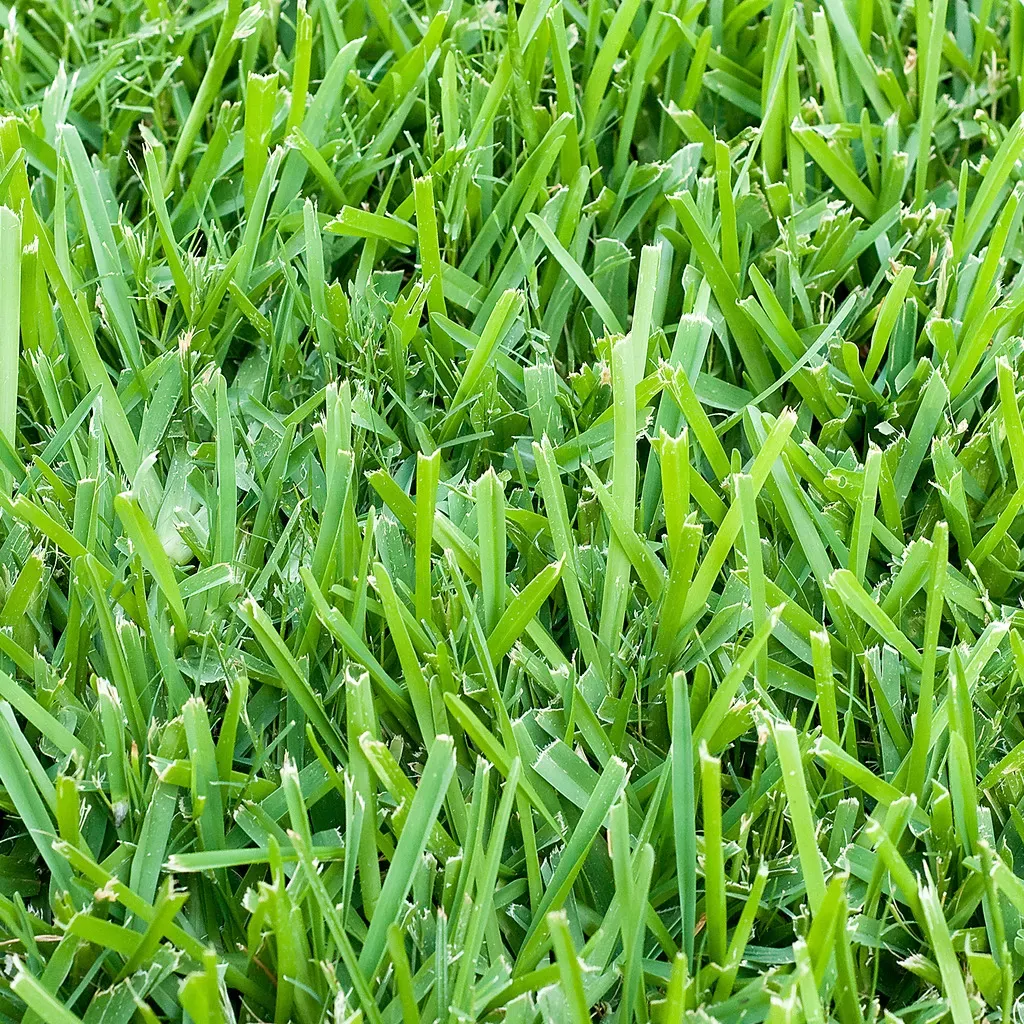
Sod options include Tahoma 31, Colorado Blue, and RTF when the project and current supply align. Because new-sod watering rules differ by water district, installation timing is planned around whichever exemption or permit applies to the address.
The middle and canopy layers
Many Castle Pines lots mix shaded areas under mature pines with open, high-sun exposure. Tree and plant locations account for that mix, along with mature scale, drainage, and the space needed around structures and circulation.
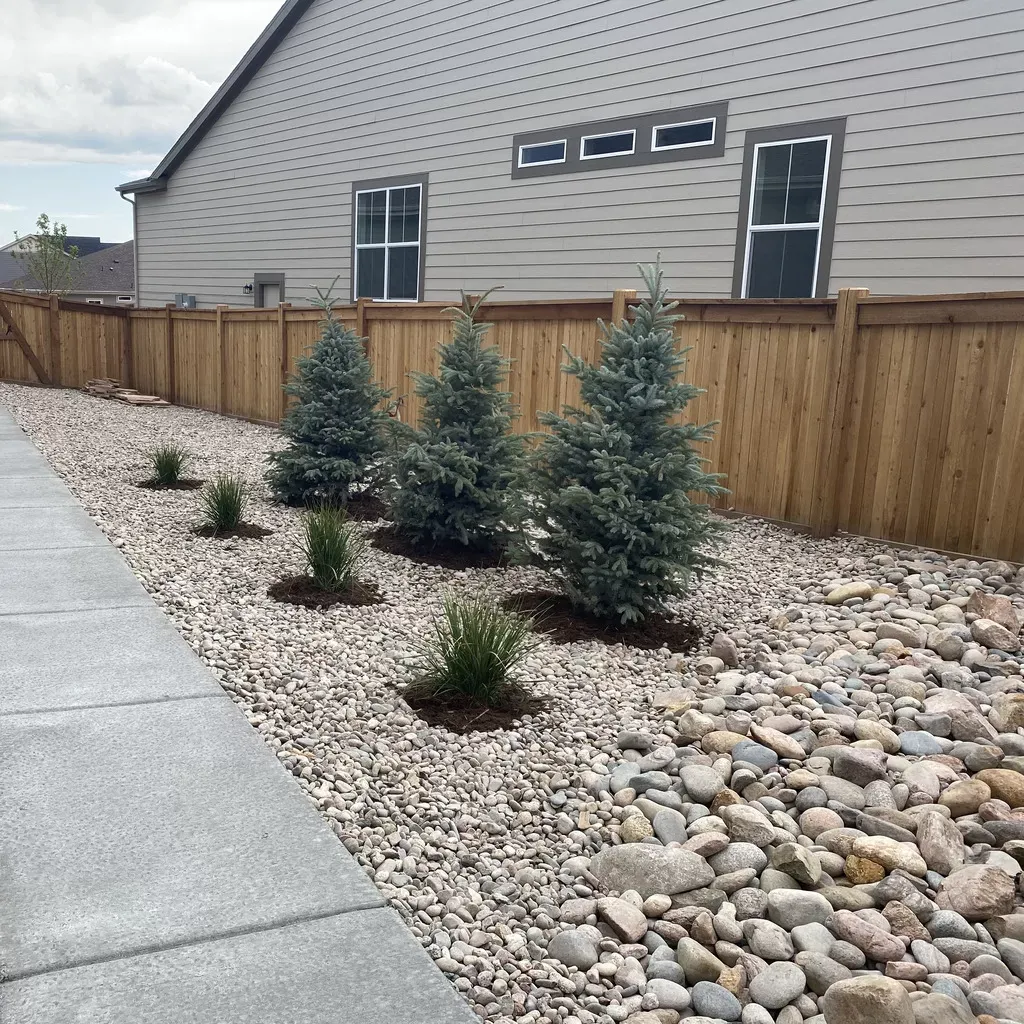
Spruce trees are one useful option for this elevation, and both evergreen and deciduous trees can serve the broader plan. The chosen tree must suit its exposure, drainage, mature footprint, and purpose, whether that is screening, shade, or year-round form.
Zone-5-rated stock and careful spacing suit the short growing season at this elevation.
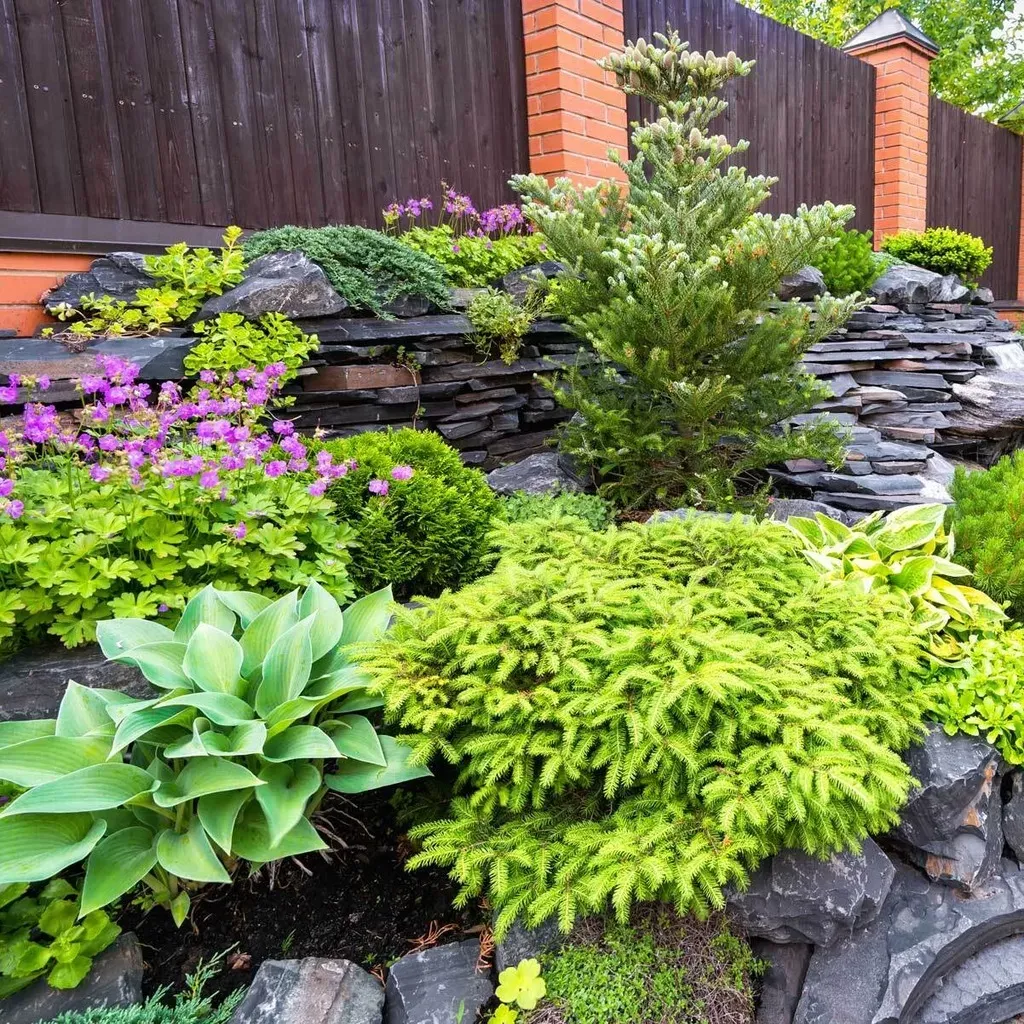
Shrubs establish the larger shapes, ornamental grasses contribute movement, and perennials add seasonal color, chosen for zone-5 hardiness and the intense sun and wind this elevation sees.
Layered beds suit the mix of shaded, wooded ground and open, high-sun exposure found on Castle Pines lots.
Sequencing protects the work already completed and gives each living layer the root zone, elevation, and water delivery it needs before the season closes in.
Set lawn edges, bed shapes, tree locations, and drainage routes before soil preparation begins.
Address expansive clay conditions where present, correct compaction and low spots, and establish positive drainage for the root zone.
Place the largest elements first, checking mature scale, root space, and the shaded or high-sun exposure of the specific location.
Lay sod tightly on the prepared grade with clean edges, then finish surrounding beds with mulch or decorative rock, favoring hardscape near structures on wooded lots.
Test irrigation, water the root zones thoroughly, and give the owner a care plan matched to the applicable water district's rules.
Sod and planting should meet the rest of the yard cleanly. Bed elevations must relate to paver patios and walkways; roots and water need clearance around retaining walls, which the city requires a permit for above four feet; gates and mowing access matter beside new fencing. Most importantly, the planting plan and irrigation zones are developed together around the applicable water district.
Hand-check soil moisture rather than trusting the controller readout alone, keep mulch off trunks and crowns, and watch for settlement in areas where clay was corrected. Once the first season is behind it, care shifts to seasonal watering changes, mowing, and pruning that matches each plant and the elevation it is growing at.
We install Tahoma 31, Colorado Blue, and RTF sod when the project and current supply align, and select zone-5-rated trees and shrubs as the conservative choice for the short growing season here.
With roughly 100 to 120 frost-free days, new sod and plants need enough time to establish before the season ends. We plan installation timing around the current weather and the applicable water district's new-landscape watering rules.
Expansive clay is a documented, widespread Front Range condition, but it varies by lot. We evaluate the actual soil and grade drainage away from foundations rather than assuming one condition for every address.
We work around existing root zones and shade rather than removing healthy trees to simplify the layout, and favor hardscape or gravel over continuous mulch immediately next to structures on wooded lots.
It depends on the water district. CPNMD offers a 21-day daily-watering exemption for new plantings, not available in July or August. Parker Water and Sanitation District requires a permit to water new sod outside its standard guidelines. We confirm which applies before scheduling installation.
Yes. We evaluate drainage, irrigation reach, and how far a plant will spread at maturity before choosing the palette, so the new beds settle in without crowding a wall or hardscape edge.
We will review the soil, exposure, water district, and finished layout, then build a coordinated sod and planting scope for the property.