Custom Landscapes by Design logo
Finished green lawn bordered by decorative rock, small plants, and a concrete patio

Softscape Installation Inside the Castle Rock Turf Limit

Sod, Trees, and Plants for Castle Rock Yards

New Castle Rock homes cap live lawn at 500 square feet in back and skip front-yard turf altogether. We place sod where it earns its water and build the rest of the yard from trees, shrubs, and beds suited to rocky soil and open exposure.

  • Sod installed inside the 500-square-foot backyard limit
  • Tree, shrub, and perennial placement for wind and sun
  • Soil preparation matched to rocky, clay-heavy ground

Plan Your Castle Rock Lawn and Planting

Tell us about the lot, the look you want, and how you expect to use and maintain the finished yard.

Plan around the limit, not just the lot

A Castle Rock Yard Is Mostly Not Lawn

Because live turf is capped at 500 square feet on new builds with no front-yard lawn at all, the lawn is a small, deliberate piece of a Castle Rock yard rather than its default surface. Trees establish scale and shade, shrubs and perennials connect the house to the hardscape, and the lawn goes where it will actually get used.

The 500-square-foot limit

New Castle Rock homes may not plant front-yard turf and are capped at 500 square feet of live lawn in the back. The planting plan starts by placing that compact lawn where it earns its water, then building the rest of the yard around it.

Rocky, clay-heavy soil

Rocky ground and heavy clay are both common in this area. Preparation, amendment, and planting depth respond to what the specific lot shows rather than a universal recipe.

Sun, wind, and exposure

Open, new-construction lots can see strong sun and drying wind before trees mature enough to offer shade. Plant selection and establishment watering both account for that early exposure.

Establishment before restrictions bite

New sod and young plants need consistent watering to root. We plan installation timing so establishment happens before summer heat and any watering restrictions make it harder.

The ground layer

Sod Earns Its Place in a Capped Lawn Area

With only 500 square feet available, placement matters as much as cultivar. We put the approved lawn where it will actually be used, prepare the rocky or clay-heavy soil found on site, and create clean elevations at concrete, pavers, edging, and beds.

Sod options include Tahoma 31, Colorado Blue, and RTF when the project and current supply align. Tahoma 31 is selected for drought and cold tolerance, but exposure, use, and maintenance preferences still guide the final choice.

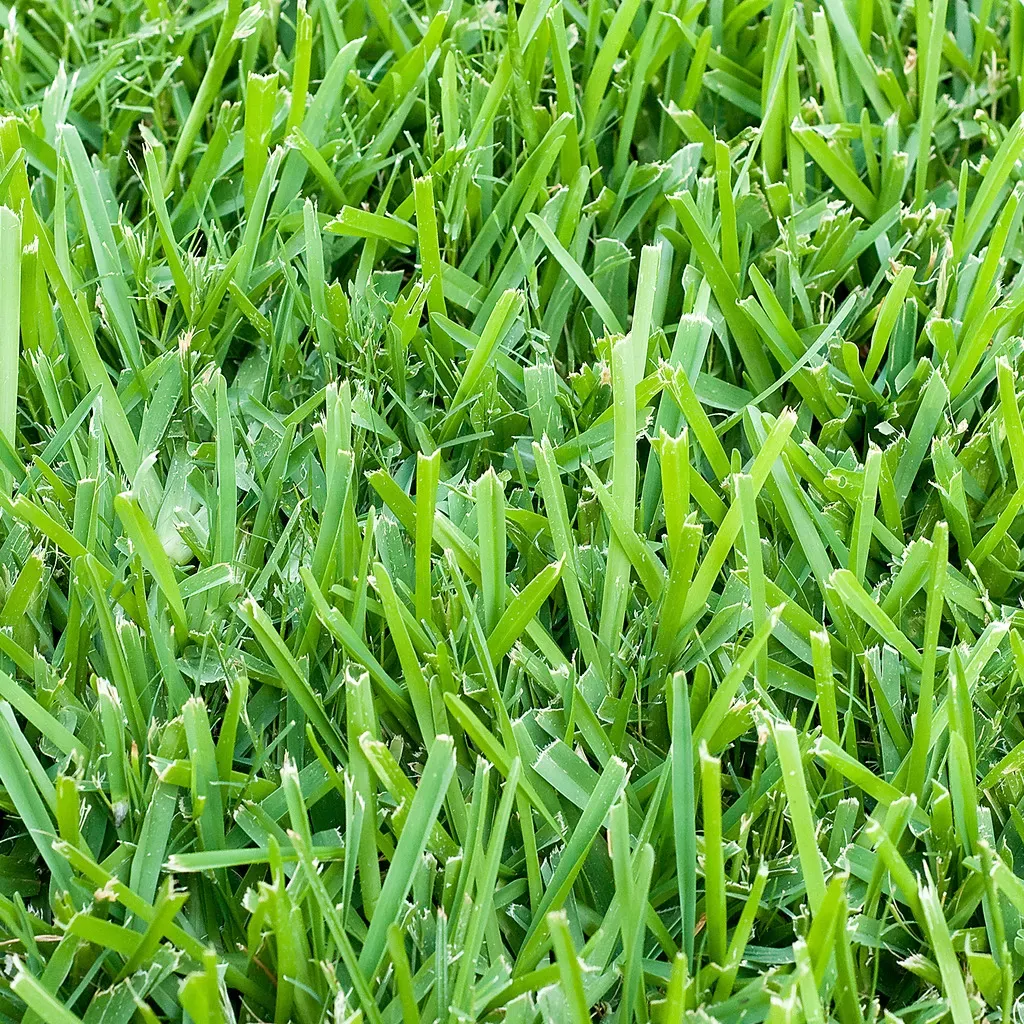
Close view of dense green grass blades
The approved lawn area is compact, so cultivar and placement both matter.

The middle and canopy layers

Trees and Shrubs Carry the Rest of the Yard

Because the lawn area is capped, trees, shrubs, ornamental grasses, and perennials do most of the work of filling and finishing a Castle Rock property. Their placement accounts for mature scale, wind, sun, and the space around structures and circulation.

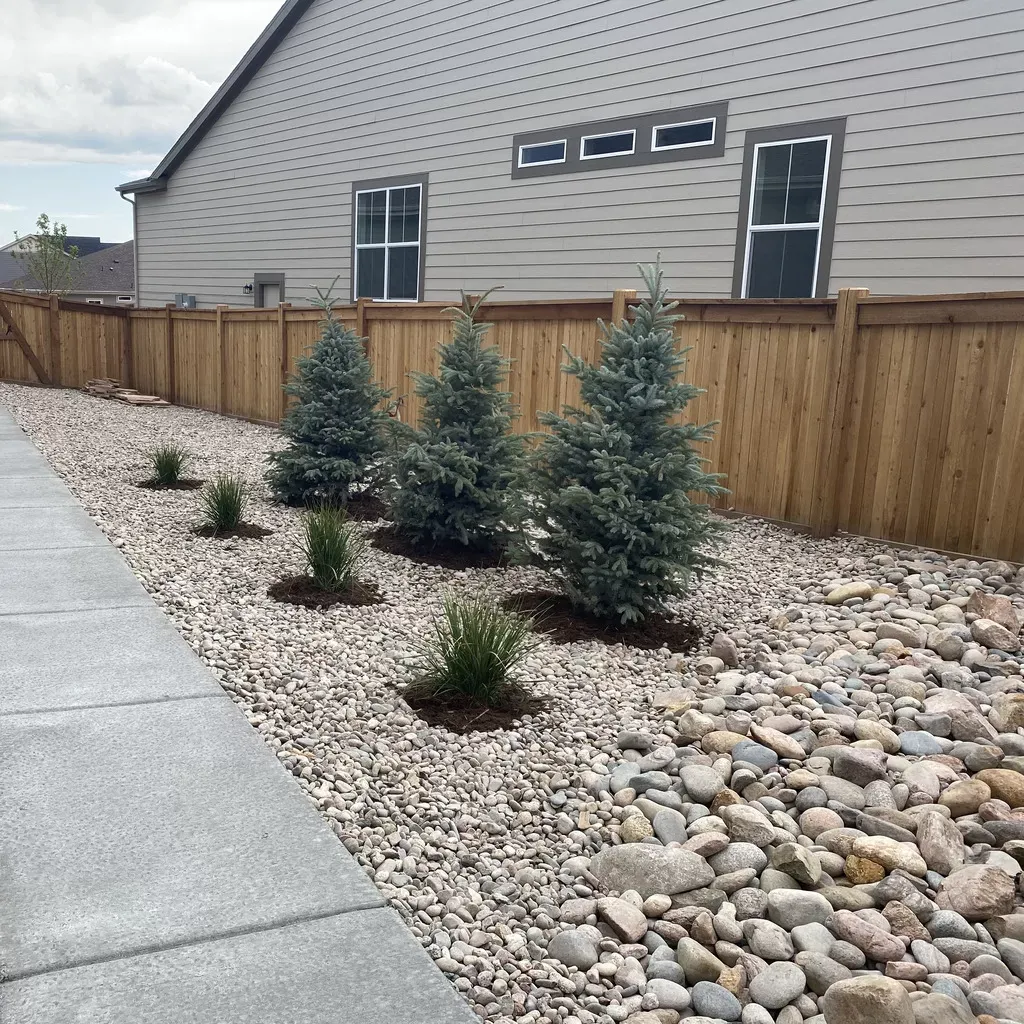
Blue-toned spruce trees and ornamental grasses planted in a rock bed beside a walk and fence

Trees Set the Long-Term Scale

Spruce trees are one useful Colorado option, and both evergreen and deciduous trees can serve the broader plan. The chosen tree has to suit its exposure, drainage, mature footprint, and purpose on an open, new-construction lot.

Trees and shrubs carry more of a Castle Rock yard than the capped lawn area can.

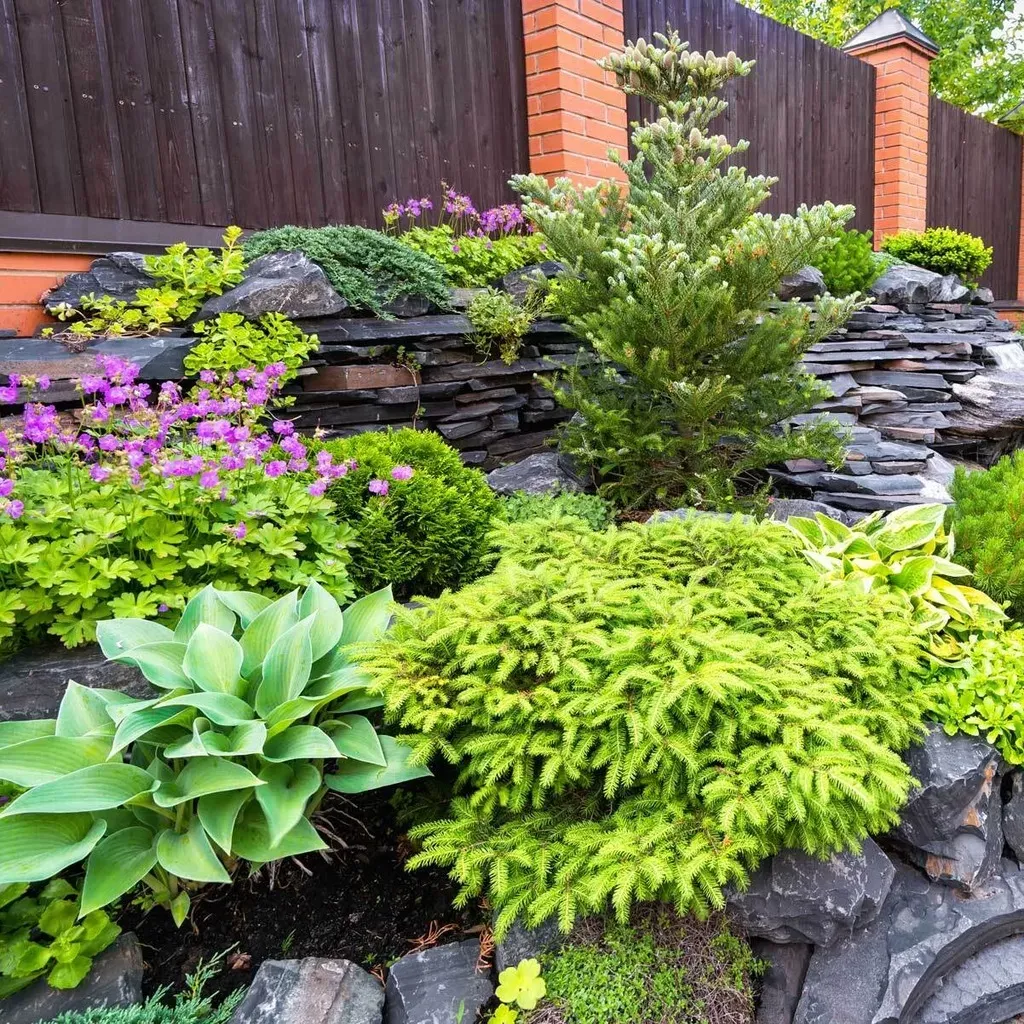
Layered ornamental bed with evergreen forms, flowering perennials, and stone accents

Beds Replace Square Footage the Lawn Cannot Have

Shrubs establish the larger shapes, ornamental grasses add movement, and perennials add seasonal color, all selected for drought tolerance and clay soil rather than assuming the water budget of a full lawn.

Layered, drought-tolerant beds fill the space that live turf cannot in a new Castle Rock yard.

Installation from Soil to Final Watering

Working in the right order keeps earlier steps intact and gives each living layer the root zone, elevation, and water delivery it actually needs to establish.

  1. 01

    Confirm the finished layout

    Set the approved lawn footprint, bed shapes, tree locations, and drainage routes before soil preparation begins.

  2. 02

    Prepare soil and grade

    Correct obvious compaction and low spots, address the rocky or clay-heavy soil found on site, and establish positive drainage.

  3. 03

    Set trees and planting structure

    Place the largest elements first, checking mature scale, wind exposure, and sightlines before filling in shrubs, grasses, and perennials.

  4. 04

    Install sod inside the limit

    Lay the approved lawn area tightly on the prepared grade with clean edges, then finish surrounding beds with mulch or decorative rock.

  5. 05

    Start establishment watering

    Test irrigation, water the root zones thoroughly, and give the owner a care plan that can be adjusted as the lawn and planting establish.

Softscape Finishes the Built Landscape

Sod and planting should meet the rest of the yard cleanly. Bed elevations must relate to paver patios and walkways; roots and water need clearance around retaining walls; gates and mowing access matter beside new fencing. Most importantly, the planting plan and irrigation zones are developed together, since the compact turf limit puts more of the water budget into drip-fed beds.

Care after installation

Check soil moisture by hand instead of trusting the controller alone, keep mulch clear of trunks, and watch newly prepared ground for settlement, especially where rocky fill was corrected. Once the first season passes, care shifts to seasonal irrigation adjustments, mowing the small approved lawn, and pruning suited to each plant.

Castle Rock Planting Questions

How does the 500-square-foot rule affect my planting plan?

It applies to new construction: no front-yard turf and up to 500 square feet of backyard lawn. Everything beyond that footprint is carried by trees, shrubs, ground cover, and water-wise beds rather than additional live grass.

What sod options work within the limit?

We install Tahoma 31, Colorado Blue, and RTF when the project and current supply align. Tahoma 31 is selected for drought and cold tolerance, but exposure, use, and maintenance preferences still guide the final choice for a compact lawn area.

What fills the rest of a new Castle Rock yard?

Trees, shrubs, ornamental grasses, and perennials placed for wind, sun, and the soil actually found on the lot, along with mulch or decorative rock where a planting bed is the better surface than turf.

Does rocky or clay soil change installation?

It can. Preparation is evaluated on the specific lot: compost integration and relief of compacted soil may be part of that work, but the exact approach follows the site rather than a universal formula.

When should new sod and plants be installed to beat the heat?

Earlier in the season generally gives roots more time to establish before peak summer sun and wind. We plan installation timing around the property's exposure and the current growing conditions.

Can planting be added around an existing patio or wall?

Yes. Bed depth, drainage, irrigation reach, and how large the plants will eventually get all factor into the palette, so the new planting softens the hardscape instead of creating a drainage or root conflict later.

Plan a Yard That Works Inside the Castle Rock Turf Limit

We will review the soil, exposure, irrigation, and finished layout, then build a coordinated sod and planting scope that fits the lot and the rules.